Poetry

Some New Publications: Attention, Theology, and the Poetics of Presence

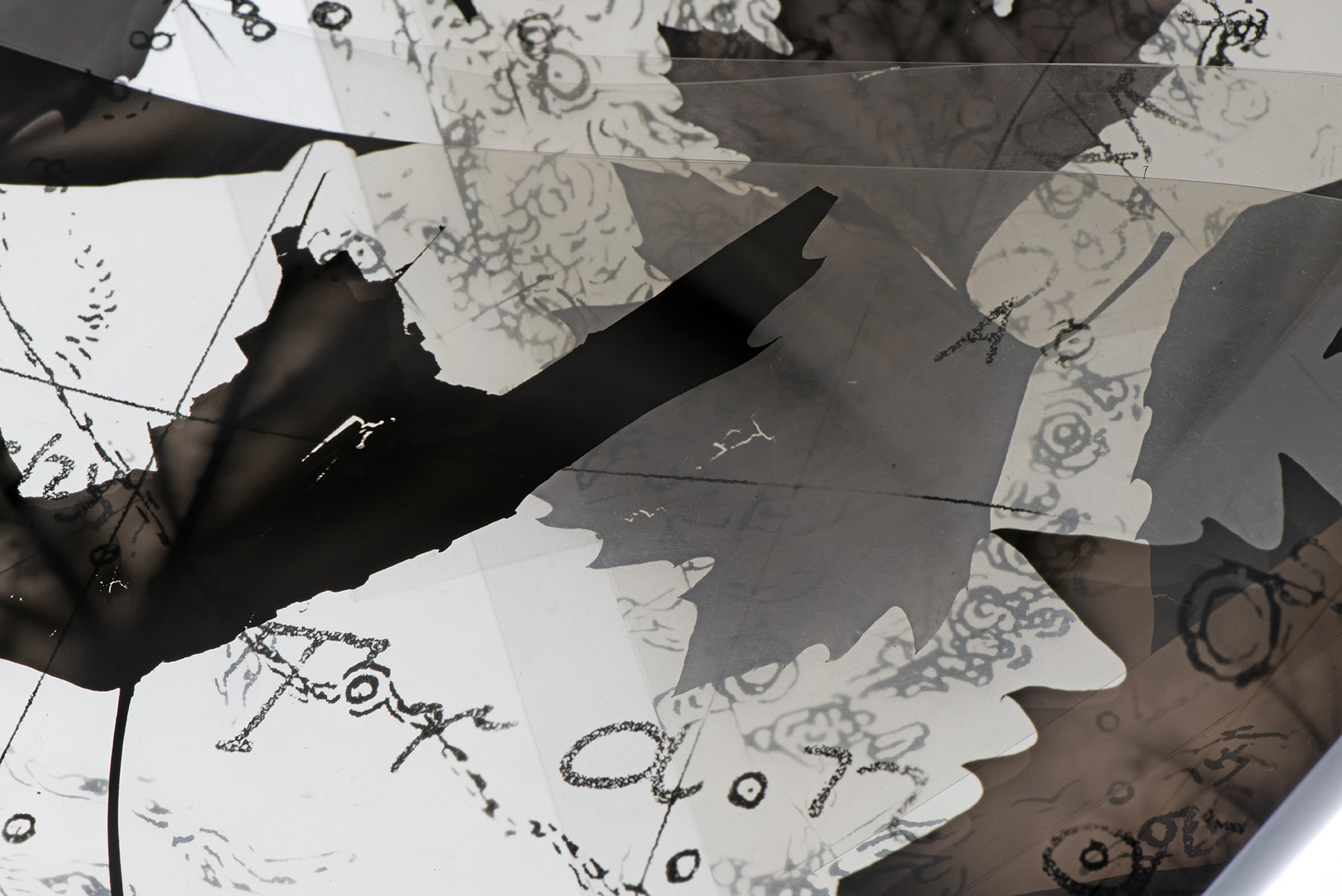
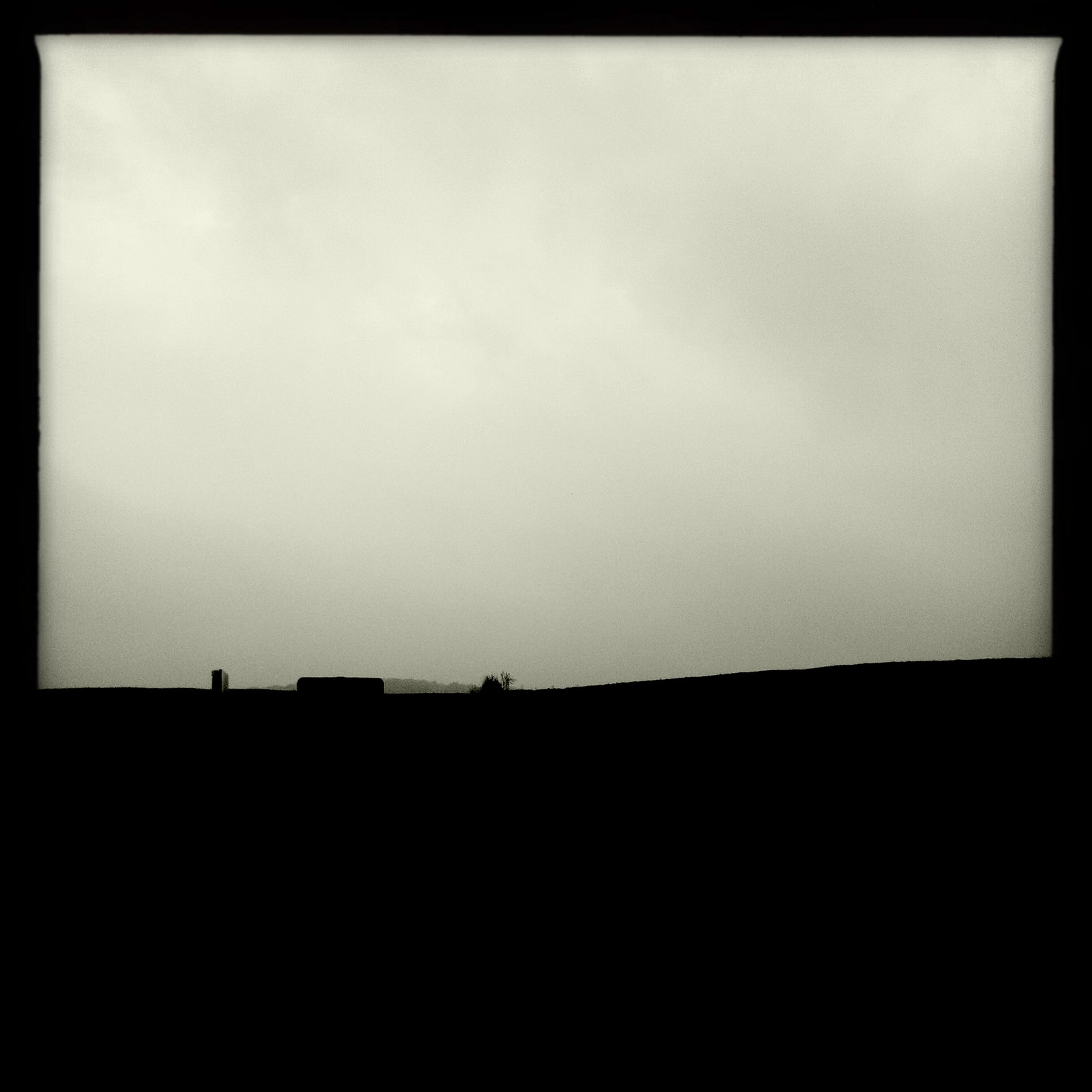
Harry Nankin, Platanus luna, 2002. Eight toned gelatin silver shadowgram films paired in four sandwiches each inside a Mylar envelope. Film pairs are 19 x 71 cm, 10 x 72 cm, 19 x 71 cm and 23 x 71 cm respectively. Arrangement variable. Unique objects.

I’m pleased to share four recent pieces that have found their way into print in recent months, each exploring different facets of what it means to pay attention—to art, to theology, to culture, and to the world after certainty has departed.

Rethinking Nicaea from the Margins

Together with John Flett, I contributed “The Heresy of Nicaea and the Jesus of Colony” to Receiving Nicaea Today: Global Voices from Reformed Perspectives (Evangelische Verlagsanstalt). The essay questions how the Nicene formulations functioned—and continue to function—within colonial frameworks. We ask what it means to receive this Christian creed from perspectives shaped by the experience of empire’s violence, and how orthodoxy itself can become a form of theological imperialism.

Photography as Attention

In “Attention in Harry Nankin’s Photography Practice: Assisting Nature to Write Itself,” published in Art-Making as Spiritual Practice: Rituals of Embodied Understanding (Bloomsbury Academic), I introduce the work of the Australian photographer Harry Nankin, locating it in a tradition of cameraless photography and highlighting its key concerns vis-à-vis matters of attention, which are made equally concrete in Nankin’s processes and the subjects themselves. I then propose that Nankin’s art practice shares some analogies with that of an iconographer or, more exactly, with one who recognises and indexes icons. This reckons with certain convictions Nankin shares about nature’s communicative character and how he, therefore, understands the place and responsibility of the human artist.

Engaging with Paul Mitchell’s Poetry

My review of Paul Mitchell’s High Spirits appears in the latest edition of TEXT. Mitchell’s collection presents a vigorous conversation with existence itself through poetry that is both deeply personal and universally resonant, balancing spiritual depth with artistic sophistication while finding transcendence in ordinary life. The collection addresses contemporary existence through intimate portraits of marriage, family, and Australian suburban life alongside broader cultural and environmental concerns, all rendered in an accessible yet profound conversational tone marked by humour and wisdom. Mitchell’s work demonstrates how careful attention to the world reveals it as sufficient and potentially sacred, offering poetry that connects rather than obscures, in a tradition that labours under the burden of modernity’s “broken contract” (George Steiner) between language and reality.

On Attention and Absence

Finally, my essay “On Being Called to Attention ‘After the Gods have Departed'” appears in Gesher. This short piece wrestles with what happens when traditional structures of meaning recede, and how we might cultivate forms of attention that don’t depend on what has been lost. The title gestures toward that strange condition of modernity: how do we attend to what matters when the old guarantees of significance have withdrawn? The essay engages with work of three witnesses: Simone Weil, Harry Nankin, and Edward Said.


These pieces circle around related concerns: the quality of our attention in a disenchanted age, the politics embedded in theological language, poetry’s ongoing argument with reality, and the spiritual dimensions of aesthetic practice. Each represents a different register—scholarly, collaborative, analytical, critical—but all share an interest in how we show up to the world, and what might show up when we do.

PDFs of all four pieces are available here on my website.
The Ledger of Our Lives: The Hobsons Bay Blues

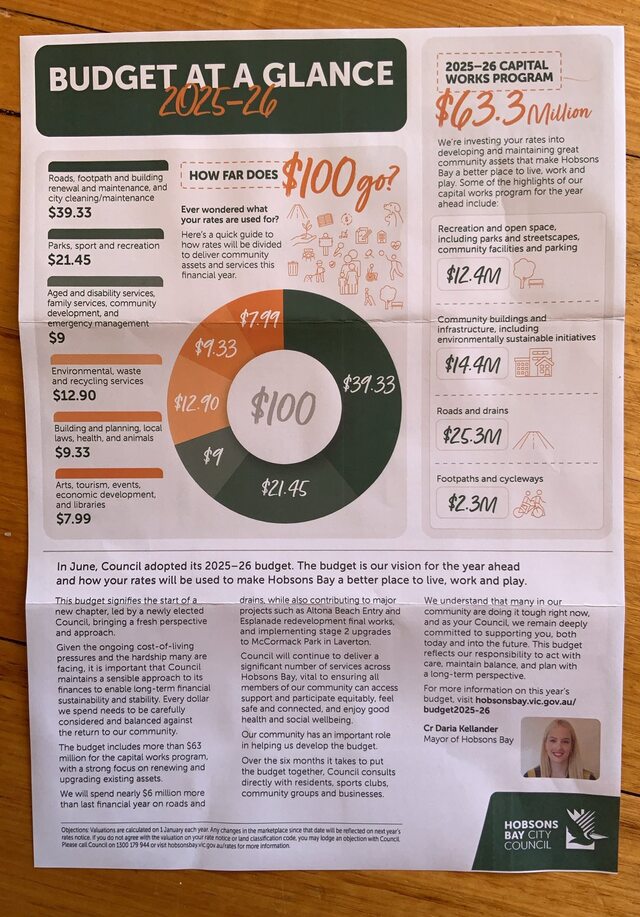
In the halls of Hobsons Bay, they’ve drawn their battle lines,
There’s squillions for the roads, while community declines.
Seven dollars ninety-nine for art, for books, for dreams –
Tell me what this says about our values, plots, and schemes.

Thirty-nine for every road, twenty-one for parks and play,
Nine dollars for the aged, the faint, the ones who’ve lost their way.
These numbers tell a story of a community that’s lost,
Where concrete speaks much louder, and compassion pays the cost.

Sixty-three million for the monuments we’ve planned,
While the homeless sleep in doorways throughout this promised land.
Where is the friendly shelter when the rain falls cold and hard?
Where is that stubborn hope when kindness seems forever barred?

Twenty-five million dollars flows beneath our very feet in drains,
While struggling families break apart under crushing financial strains.
No food banks in the budget, no refuge for the poor,
Just the thunder of construction shaking every weary door.

A mother reads to children by the light of shopping malls,
An artist paints on cardboard in abandoned bathroom stalls.
The programs fade to nothing while the asphalt spreads like flame –
These are the quiet victims of our civic spending game.

Twelve-ninety for the fragile earth that cradles all our dreams,
While thirty-nine pours concrete over rivers, fields, and streams.
The warming earth sends warnings through each rising tide and flame,
Yet still we pave our children’s paths with poison, steel, and shame.

Just pennies for the saplings that could clean our poisoned air,
While toxins flood our waterways without a cent of care.
No funds to plant the forests that our children’s lungs will need,
As chemicals keep flowing from our profit-driven greed.

Disability gets nine dollars in this cold arithmetic,
While millions fund the monuments to progress smooth and slick.
The numbers tell our story of a community grown numb –
Fine roads for all to travel, but life has been struck dumb.

Is this the cost of progress?
Is this what we are for?
At least the ledger’s balanced
though humanity’s no more.

*****

This wee poem, first published in Star Weekly, my local paper, was my response to the Hobsons Bay Council 2025–26 budget, which was mailed out to residents as a mode of positive promotion.

Recent publications

I note two recent publications:

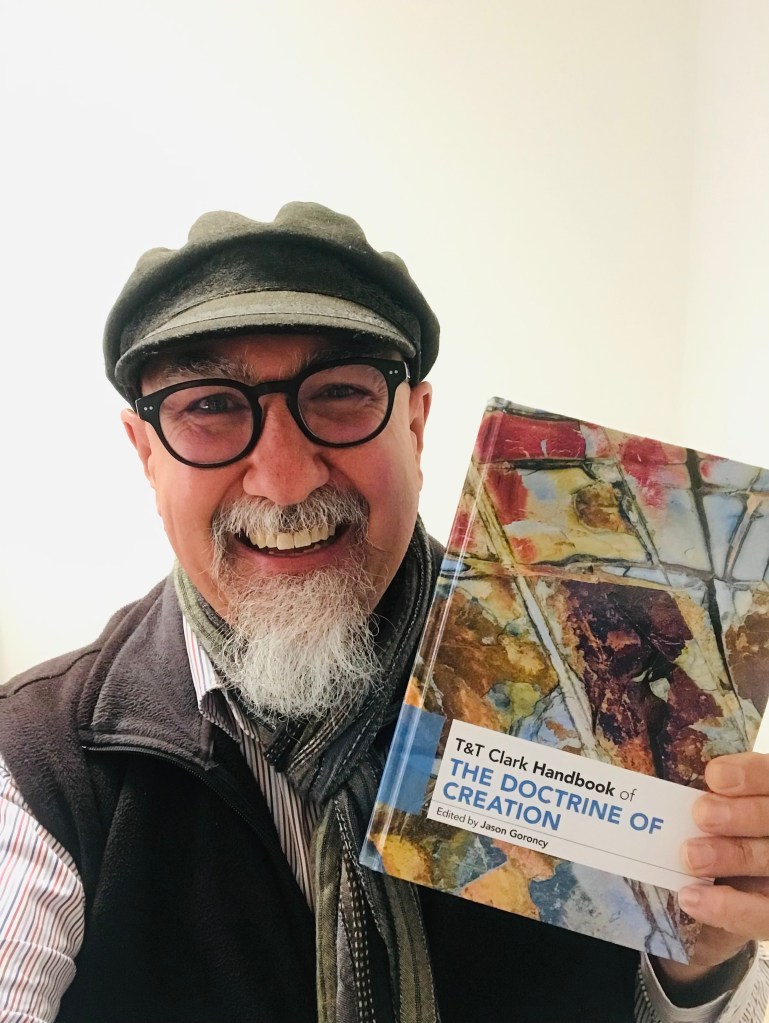
The T&T Clark Handbook of the Doctrine of Creation is a project that had its genesis in 2017 when Bloomsbury invited me to edit a book in their Companion series. I suggested that I would like to tackle the volume on creation and they were agreeable. It was a privilege to work with such a diverse array of scholars, early career and established, across a range of disciplines, not a few undertaking their work in very difficult circumstances. I’m delighted – and somewhat relieved – to have completed this project and am so grateful to all who contributed so generously to it. I hope it might prove useful for those engaged in learning and research.

I also have a poem, ‘Gathering’, in the latest edition of Spiritus: A Journal of Christian Spirituality.

Motet

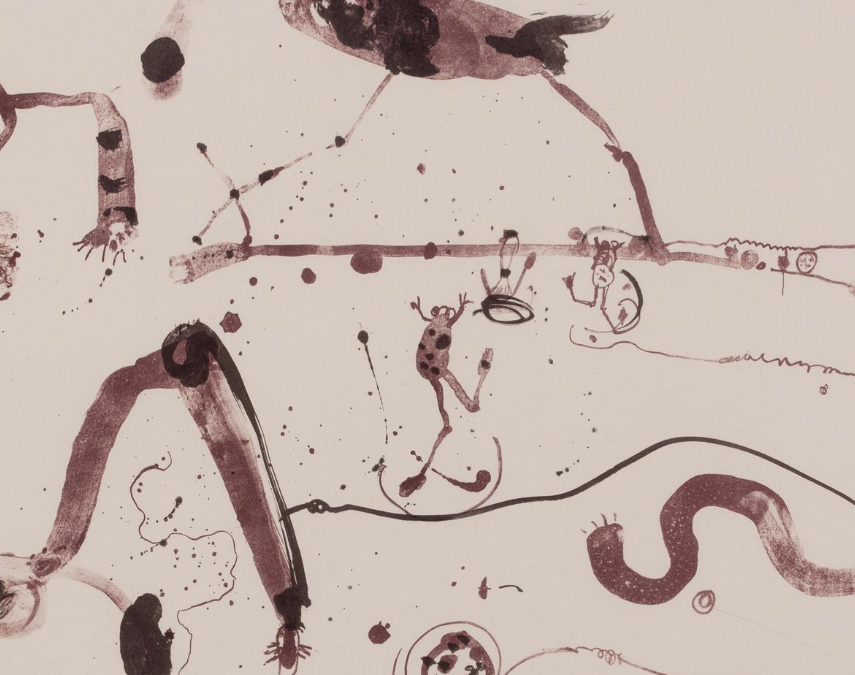
John Olsen, Birds and Frog at Lake Eyre, 1975. Lithograph printed in brown & purple inks on paper, 80 x 121 cm. Art Gallery of South Australia, Adelaide
John Olsen, Birds and Frog at Lake Eyre, 1975. Lithograph printed in brown & purple inks on paper, 80 x 121 cm. Art Gallery of South Australia, Adelaide.

O my white-burdened Europe, across
so many maps greed zigzags. One voice
and the nightmare of a dominant chord:
defences, self-mirroring, echoings, myriad
overtones of shame. Never again one voice.
Out of malaise, out of need our vision cries.

Turmoil of change, our slow renaissance.
All things share one breath. We listen:
clash and resolve, webs and layers of voices.
And which voice dominates or is it chaos?
My doubting earthling, tiny among the planets
does a lover of one voice hear more or less?

Infinities of space and time. Melody fragments;
a music of compassion, noise of enchantment.
Among the inner parts something open,
something wild, a long rumour of wisdom
keeps winding into each tune: cantus firmus,
fierce vigil of contingency, love’s congruence.

– Micheal O’Siadhail, ‘Motet’, in The Chosen Garden (Dublin: The Dedalus Press, 1990), 82.

‘A, a, a, Domine Deus’

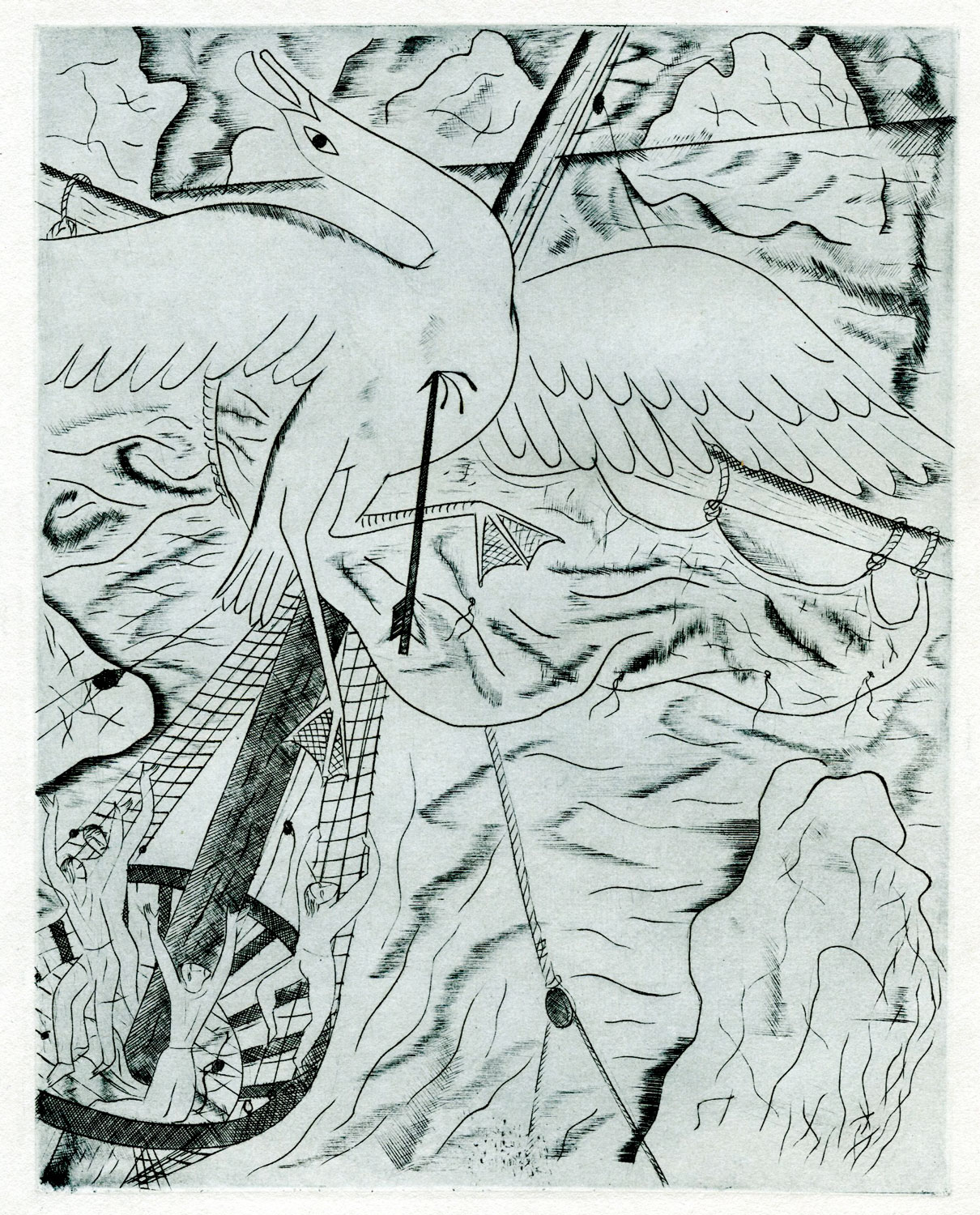
David Jones, The Albatross, 1928. Copper engraving, 17.5 x 13.5 cm. Private collection.

I said, Ah! what shall I write?

I enquired up and down.

       (He’s tricked me before with his manifold lurking-places.)

I looked for His symbol at the door. 

I have looked for a long while

           at the textures and contours.

I have run a hand over the trivial intersections. 

I have journeyed among the dead forms 

causation projects from pillar to pylon.

I have tired the eyes of the mind

           regarding the colours and lights. 

I have felt for His Wounds

           in nozzles and containers.

I have wondered for the automatic devices. 

I have tested the inane patterns

             without prejudice. 

I have been on my guard

             not to condemn the unfamiliar 

For it is easy to miss Him

              at the turn of a civilization.

I have watched the wheels go round in case I might see the living creatures like the appearance of lamps, in case I might see the Living God projected from the Machine. I have said to the perfected steel, be my sister and for the glassy towers I thought I felt some beginnings of His creature, but A, a, a, Domine Deus, my hands found the glazed work unrefined and the terrible crystal a stage-paste … Eia, Domine Deus

– David Jones, ‘A, a, a, Domine Deus’, in The Sleeping Lord, and Other Fragments (London: Faber & Faber, 1974), 9.

A Christmas Poem

Natalie Lennard, Born of Calamity, 2019. Giclee on Hahnemuhle Pearl Paper. Artist’s collection.

Sometimes I wonder
if Mary breastfed Jesus.
if she cried out when he bit her
or if she sobbed when he would not latch.

and sometimes I wonder
if this is all too vulgar
to ask in a church
full of men
without milk stains on their shirts
or coconut oil on their breasts
preaching from pulpits off limits to the Mother of God.

but then i think of feeding Jesus,
birthing Jesus,
the expulsion of blood
and smell of sweat,
the salt of a mother’s tears
onto the soft head of the Salt of the Earth,
feeling lonely
and tired
hungry
annoyed
overwhelmed
loving

and i think,
if the vulgarity of birth is not
honestly preached
by men who carry power but not burden,
who carry privilege but not labor,
who carry authority but not submission,
then it should not be preached at all.

because the real scandal of the Birth of God
lies in the cracked nipples of a
14 year old
and not in the sermons of ministers
who say women
are too delicate
to lead.

– Kaitlin Hardy Shetler

[Source: reddit]

Silence

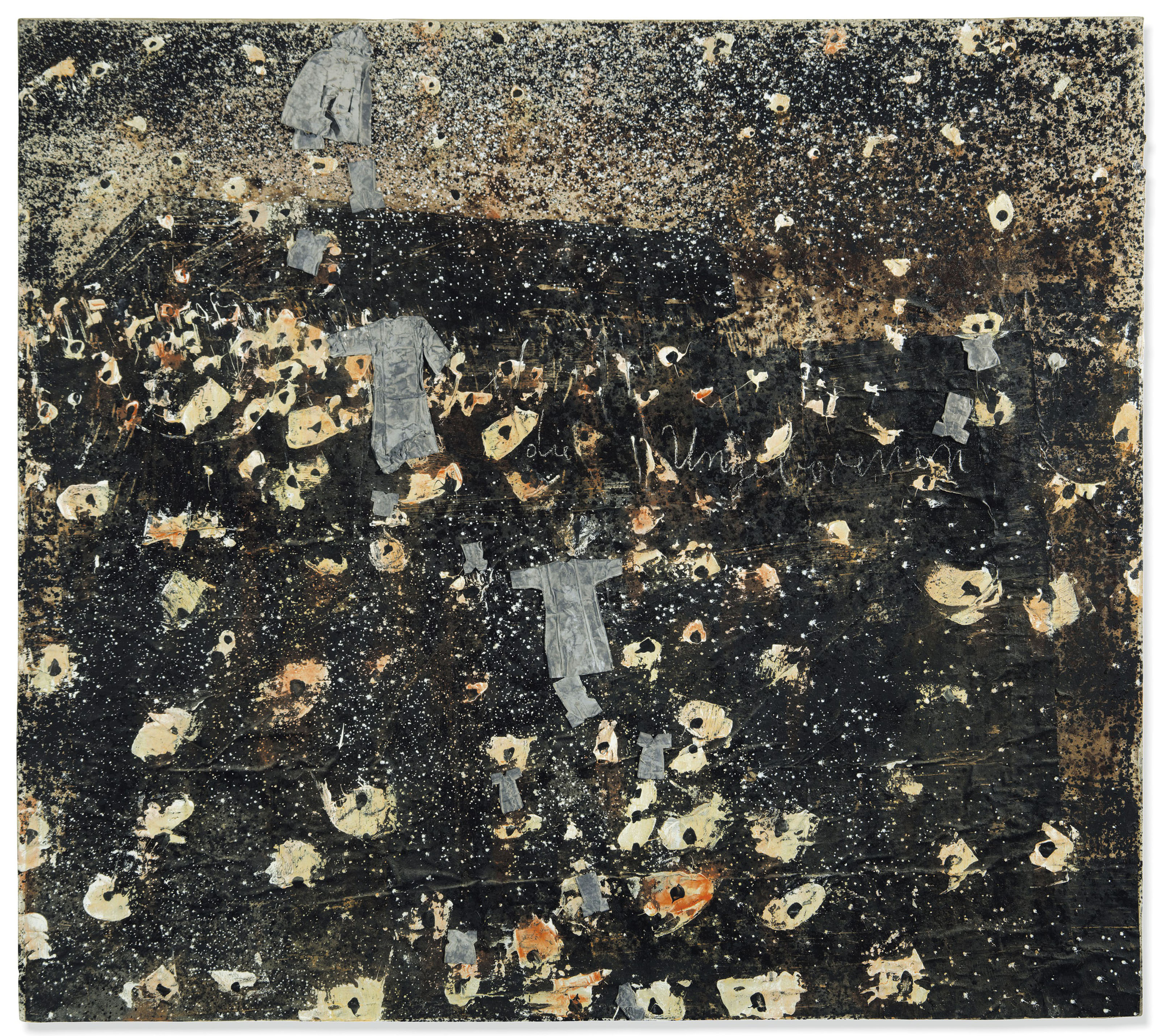
Anselm Kiefer, Die Ungeborenen (The Unborn), 1978. Acrylic, shellac emulsion and lead on paper collage laid on canvas, 170 x 189 cm. Private collection, Switzerland.jpg

I have known the silence of the stars and of the sea,
And the silence of the city when it pauses,
And the silence of a man and a maid,
And the silence for which music alone finds the word,
And the silence of the woods before the winds of spring begin,
And the silence of the sick
When their eyes roam about the room.
And I ask: For the depths
Of what use is language?
A beast of the field moans a few times
When death takes its young.
And we are voiceless in the presence of realities—
We cannot speak.

A curious boy asks an old soldier
Sitting in front of the grocery store,
“How did you lose your leg?”
And the old soldier is struck with silence,
Or his mind flies away
Because he cannot concentrate it on Gettysburg.
It comes back jocosely
And he says, “A bear bit it off.”
And the boy wonders, while the old soldier
Dumbly, feebly lives over
The flashes of guns, the thunder of cannon,
The shrieks of the slain,
And himself lying on the ground,
And the hospital surgeons, the knives,
And the long days in bed.
But if he could describe it all
He would be an artist.
But if he were an artist there would be deeper wounds
Which he could not describe.

There is the silence of a great hatred,
And the silence of a great love,
And the silence of a deep peace of mind,
And the silence of an embittered friendship,
There is the silence of a spiritual crisis,
Through which your soul, exquisitely tortured,
Comes with visions not to be uttered
Into a realm of higher life.
And the silence of the gods who understand each other without speech,
There is the silence of defeat.
There is the silence of those unjustly punished;
And the silence of the dying whose hand
Suddenly grips yours.
There is the silence between father and son,
When the father cannot explain his life,
Even though he be misunderstood for it.

There is the silence that comes between husband and wife.
There is the silence of those who have failed;
And the vast silence that covers
Broken nations and vanquished leaders.
There is the silence of Lincoln,
Thinking of the poverty of his youth.
And the silence of Napoleon
After Waterloo.
And the silence of Jeanne d’Arc
Saying amid the flames, “Blesséd Jesus”—
Revealing in two words all sorrow, all hope.
And there is the silence of age,
Too full of wisdom for the tongue to utter it
In words intelligible to those who have not lived
The great range of life.

And there is the silence of the dead.
If we who are in life cannot speak
Of profound experiences,
Why do you marvel that the dead
Do not tell you of death?
Their silence shall be interpreted
As we approach them.

– Edgar Lee Masters, ‘Silence’, Poetry (February, 1915), 209–11.

Image: Anselm Kiefer, Die Ungeborenen (The Unborn), 1978. Acrylic, shellac emulsion and lead on paper collage laid on canvas, 170 x 189 cm. Private collection, Switzerland.

Mrs Lazarus

I had grieved. I had wept for a night and a day
over my loss, ripped the cloth I was married in
from my breasts, howled, shrieked, clawed
at the burial stones till my hands bled, retched
his name over and over again, dead, dead.

Gone home. Gutted the place. Slept in a single cot,
widow, one empty glove, white femur
in the dust, half. Stuffed dark suits
into black bags, shuffled in a dead man’s shoes,
noosed the double knot of a tie round my bare neck,

gaunt nun in the mirror, touching herself. I learnt
the Stations of Bereavement, the icon of my face
in each bleak frame; but all those months
he was going away from me, dwindling
to the shrunk size of a snapshot, going,

going. Till his name was no longer a certain spell
for his face. The last hair on his head
floated out from a book. His scent went from the house.
The will was read. See, he was vanishing
to the small zero held by the gold of my ring.

Then he was gone. Then he was legend, language;
my arm on the arm of the schoolteacher – the shock
of a man’s strength under the sleeve of his coat –
along the hedgerows. But I was faithful
for as long as it took. Until he was memory.

So I could stand that evening in the field
in a shawl of fine air, healed, able
to watch the edge of the moon occur to the sky
and a hare thump from a hedge; then notice
the village men running towards me, shouting,

behind them the women and children, barking dogs,
and I knew. I knew by the sly light
on the blacksmith’s face, the shrill eyes
of the barmaid, the sudden hands bearing me
into the hot tang of the crowd parting before me.

He lived. I saw the horror on his face.
I heard his mother’s crazy song. I breathed
his stench; my bridegroom in his rotting shroud,
moist and dishevelled from the grave’s slack chew,
croaking his cuckold name, disinherited, out of his time.

– Carol Ann Duffy

Yeats on ‘supreme art’

William Butler Yeats

‘Supreme art is a traditional statement of certain heroic and religious truths, passed on from age to age, modified by individual genius, but never abandoned. The revolt of individualism came because the tradition had become degraded, or rather because a spurious copy had been accepted in its stead’.

– William Butler Yeats

… and a poem – ‘The Fascination of What’s Difficult’ – from The Collected Poems of W. B. Yeats (1989):

The fascination of what’s difficult
Has dried the sap out of my veins, and rent
Spontaneous joy and natural content
Out of my heart. There’s something ails our colt
That must, as if it had not holy blood
Nor on Olympus leaped from cloud to cloud,
Shiver under the lash, strain, sweat and jolt
As though it dragged road metal. My curse on plays
That have to be set up in fifty ways,
On the day’s war with every knave and dolt,
Theatre business, management of men.
I swear before the dawn comes round again
I’ll find the stable and pull out the bolt.

‘On Behalf of the Committee’

Dead light bulb.jpg

Let us begin by briefly drawing
attention to your inevitable death.

We’re sorry if we’ve startled you by writing
so directly, but we worried you

might not otherwise notice, since
you’ve ignored several clear signs

of your demise: the steady rupture
of filaments in old light bulbs,

your car’s plaintive whine, and the pastel
colony multiplying across the Life

brand loaf in your breadbox.
We admit, some of the attempts

to remind you of your limited tenure
among the living were rather obscure.

The squall of the child next door
was, at times, barely audible,

and the ants would only on occasion
march at a pace that allowed

you to observe them carrying off
the parted corpse of some fellow

creeping thing. We remain hopeful
that your mother’s occasional calls

will one day trick you out of your complacency.
However, if you cannot learn how even

the perfect flourishing of a bird in flight
performs the poem of your death, this

body will remain to show you how again.

– Joshua Jones, ‘On Behalf of the Committee’, in Letters Journal.

Jacob Stratman, ‘a poem for my sons when they yell at God’

Jan Brueghel the Elder - Jonah Leaving the Whale (c. 1600).jpg

Jan Brueghel the Elder, ‘Jonah Leaving the Whale’ (c. 1600)

In candied red, the white-bearded
prophet emerges hands still clasped in prayer,
clean, really clean, maybe too clean, first-day-
of-school clean, baptism clean. It is a childish
painting, perhaps, the punished coming up
for air after a three-day, divine timeout,
his begging and pleading inside this flesh
box, sincere or not, but he’s out, old and fresh
in a world around him, Brueghel is sure
to make clear, swirling blue-black and solid
brown, the earth’s bruising, perhaps a wish
of healing yellow in the distance, a light
faded behind the eye’s focus. The dogfish
eyes big and rolling back mouth open

like the cave like the tomb like the brown creek
carp we refuse to touch hate to catch squishy
and formless but counted nonetheless. But
he will dirty himself again after Nineveh
under the vine cussing at God telling
God His own business, and he will forget
the welcoming red the fresh fruit color
of that cloak—the thin (or thinning) clearing
in the background beyond sea and storm,
even the mouth as exit as release.
He will soon forget to consider how
suspicious it is for a man like him
sitting in death’s darkness for three days
to come out so clean so bright so forgiven.

– Jacob Stratman, ‘a poem for my sons when they yell at God’, 2018. (Source)

‘The Mitchells’, by Les Murray

prunes 2I am seeing this: two men are sitting on a pole
they have dug a hole for and will, after dinner, raise
I think for wires. Water boils in a prune tin.
Bees hum their shift in unthinning mists of white

bursaria blossom, under the noon of wattles.
The men eat big meat sandwiches out of a styrofoam
box with a handle. One is overheard saying:
drought that year. Yes. Like trying to farm the road.

The first man, if asked, would say I’m one of the Mitchells.
The other would gaze for a while, dried leaves in his palm,
and looking up, with pain and subtle amusement,
say I’m one of the Mitchells. Of the pair, one has been rich
but never stopped wearing his oil-stained felt hat. Nearly everything
they say is ritual. Sometimes the scene is an avenue.

Audio

Lazarus

After the wake and speeches, when the guests in black
Had with the charm of ordinariness
Dispelled the gross terror of a fellow dead
(Eyelid grown waxen, the body like a sack
Bundled into the tomb) and the women with their mindless
Ritual of grief had murmured abroad all that could be said –

Then, as the world resumed its customary
Mask of civil day, he came, too late to mend
The broken vase (a cracked one could have been mended)
God’s image blackened by causality.
And the woman said, “Since he was called your friend,
Why did you not come then? Now it is ended.”

And when, the army blanket of grey earth
Put off, Lazarus from the cave mouth stumbled
(Hand, foot and mouth yet bound in mummy cloth)
To the sun’s arrow, furnace of rebirth –
What could they do but weep? infirm and humbled
By Love not their love, more to be feared than wrath.

– James K. Baxter, who died on this day, 45 years ago.

You can read more about Baxter here, and more of his poetry here.

‘The Last Day’

jurek d. - Horizon

When the last day comes
A ploughman in Europe will look over his shoulder
And see the hard furrows of earth
Finally behind him, he will watch his shadow
Run back into his spine.

It will be morning
For the first time, and the long night
Will be seen for what it is,
A black flag trembling in the sunlight.
On the last day

Our stories will be rewritten
Each from the end,
And each will end the same;
You will hear the fields and rivers clap
And under the trees

Old bones
Will cover themselves with flesh;
Spears, bullets, will pluck themselves
From wounds already healed,
Women will clasp their sons as men

And men will look
Into their palms and find them empty;
There will be time
For us to say the right things at last,
To look into our enemy’s face

And see ourselves,
Forgiven now, before the books flower in flames,
The mirrors return our faces,
And everything is stripped from us,
Even our names.

– Kevin Hart, ‘The Last Day’, in Wild Track: New and Selected Poems (Notre Dame: University of Notre Dame, 2015), 32–33. [Image: jurek d.]

‘My mother’s God’, by Geoff Page

Blake - God Judging Adam (c. 1795).jpg

My mother’s God
has written the best
of the protestant proverbs:

you make the bed
you lie in it;
God helps him

who helps himself.
He tends to shy away from churches,
is more to be found in

phone calls to daughters
or rain clouds over rusty grass.
The Catholics

have got him wrong entirely:
too much waving the arms about,
the incense and caftan, that rainbow light.

He’s leaner than that,
lean as a pair of
grocer’s scales,

hard as a hammer at cattle sales
the third and final
time of asking.

His face is most clear
in a scrubbed wooden table
or deep in the shine of a

laminex bench.
He’s also observed at weddings and funerals
by strict invitation, not knowing quite

which side to sit on.
His second book, my mother says,
is often now too well received;

the first is where the centre is,
tooth for claw and eye for tooth
whoever tried the other cheek?

Well, Christ maybe,
but that’s another story.
God, like her, by dint of coursework

has a further degree in predestination.
Immortal, omniscient, no doubt of that,
he nevertheless keeps regular hours

and wipes his feet clean on the mat,
is not to be seen at three in the morning.
His portrait done in a vigorous charcoal

is fixed on the inner
curve of her forehead.
Omnipotent there

in broad black strokes
he does not move.
It is not easy, she’d confess,

to be my mother’s God.

– Geoff Page

[Audio]

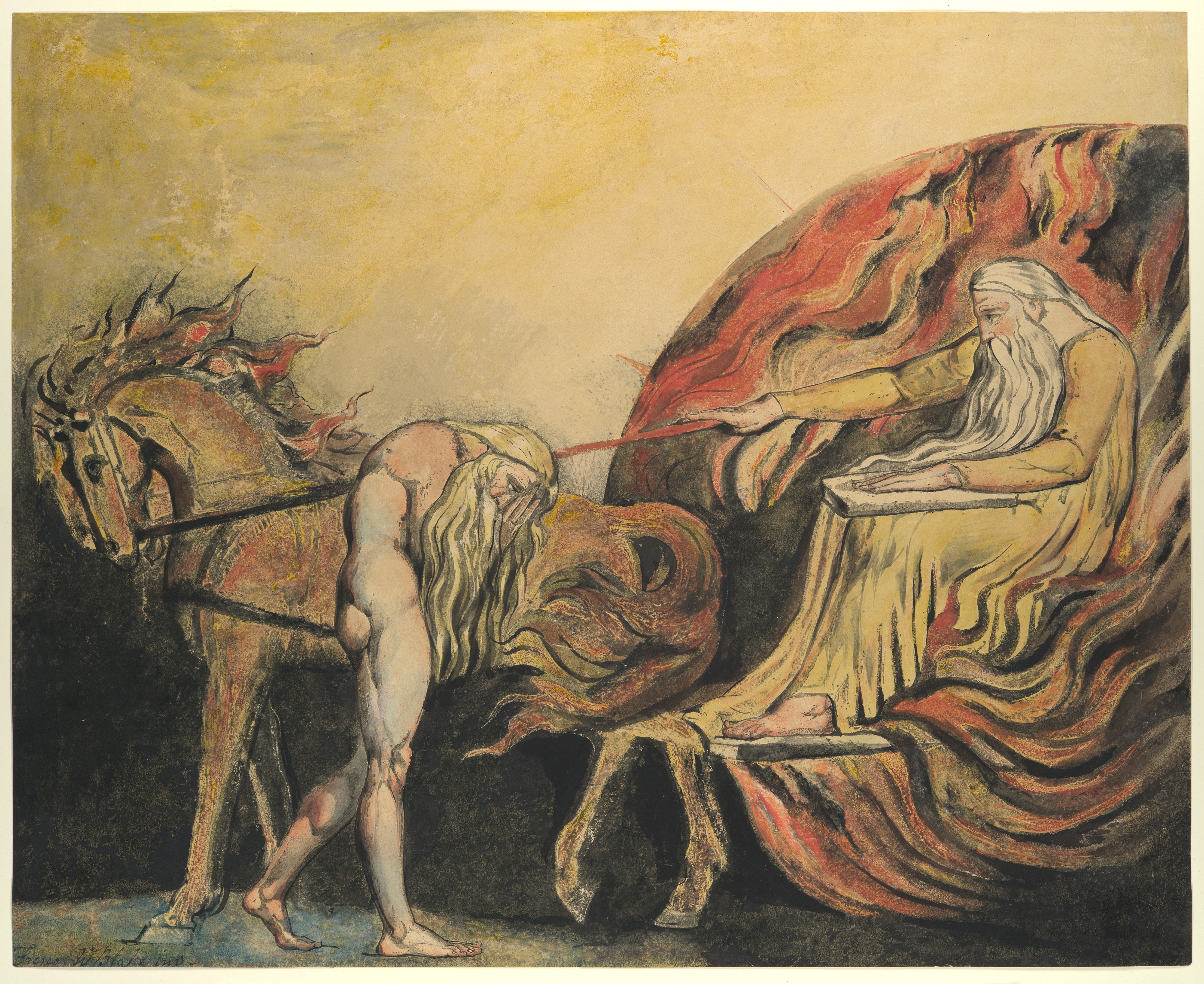
Image: William Blake, ‘God Judging Adam’ (c. 1795)

‘Elegy from a Seaside Graveyard’, by John Stokes

graves-317566.jpg

From ‘The Eden Set – coming on the coast suddenly’

… and this stone-picture’s Wayne, the Suicide
doing it his way: longest finger
cocked up from the earth
into the sealight fading.

Here the surfer, boy of the sea
still suckled by his mother feeling
his salt mouth, his sighing
over the tablet gravestone of the waves.

Here the incongruous Calvinist whalers
moaning with their predestinations:
born in sin, living to lament
relieving themselves in death

and here the mother lover, with her child
still moving, on top and hung
in the harness, the smash cut
gently into the mind at twilight

and Brad, who knew Sherryl
in the fullest biblical sense
and Nathanial, who knew the kill
and the smell and ways of the mulloway.

These deaths are so Australian
and yet the same. They are sung
in the tongue of the water, the hiss
of the sand-grains rubbing

one with another, and another
and another, under bellbirds
sounding their death knells
into the sealight fading.

So leave the dead ones to it
– they are, after all, forever –
love them, leave them, go
pausing once, at some corner

(you will know when)
so the car-hoon
when he misses you by a nail
gives you the finger!

Resurrect your breath.

Drive on.

– published in Meanjin 66–67, no. 4–1 (2008), 22–23.

Some Recent Watering Holes

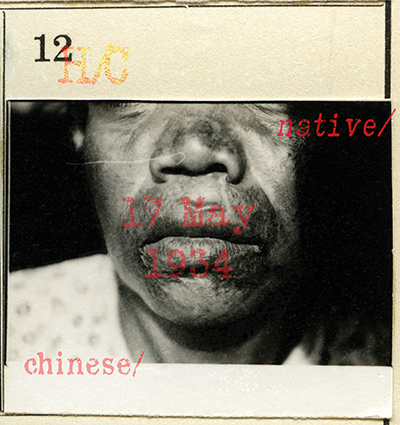
croft-shutmouthscream-detail-2016

Brenda L. Croft, ‘shut/mouth/scream’ (detail), 2016. Source


I haven’t posted one of these for a while. Here are a number of pages I’ve appreciated visiting this past week or so:

And this:

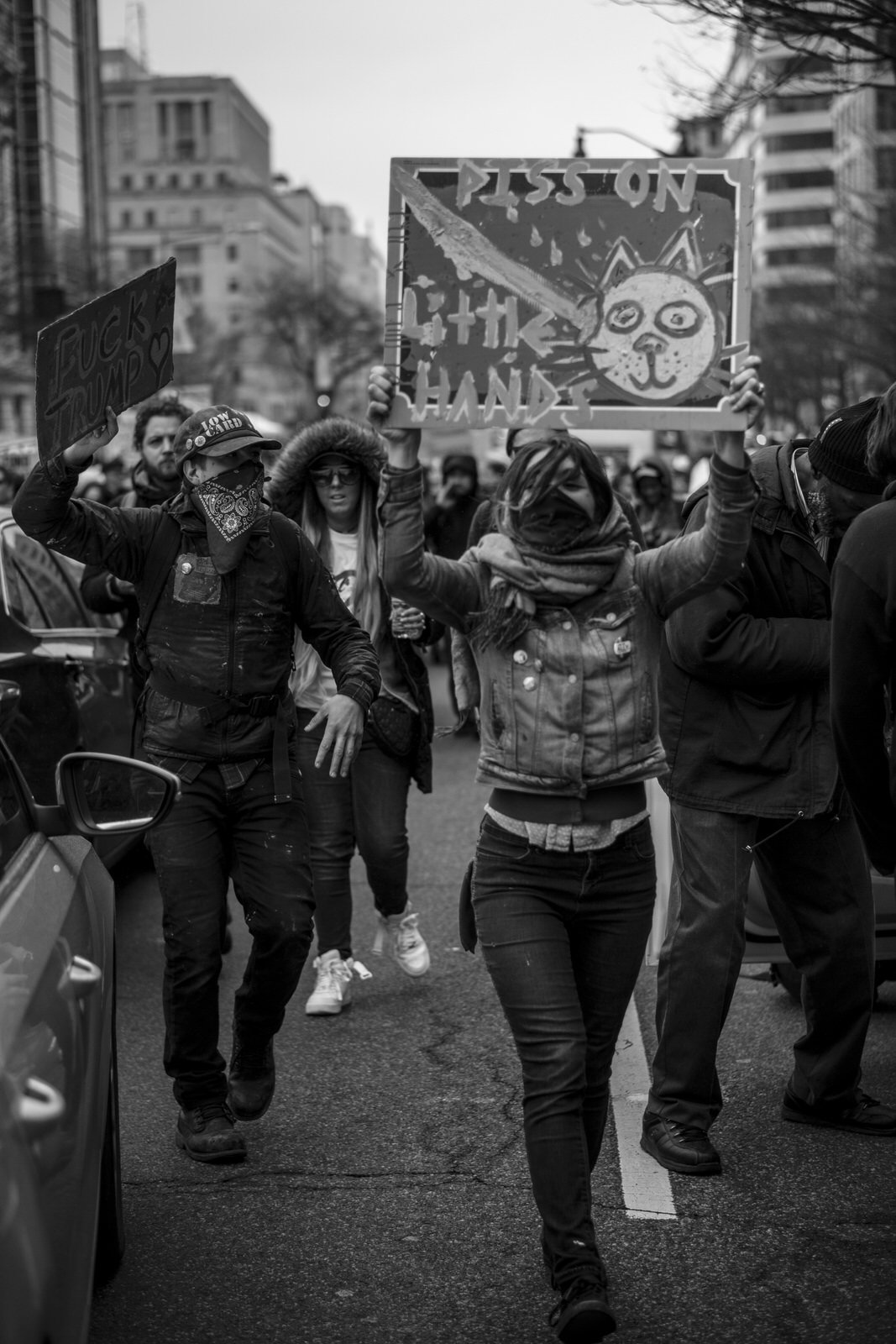
‘The Fury That Breaks’, by Michelle Boisseau

trump-protestsAfter César Vallejo

The fury that breaks a grown-up into kids,
a kid into scattered birds
and a bird into limp eggs,
the fury of the poor
takes one part oil to two parts vinegar.

The fury that breaks a tree into leaves,
a leaf into deranged flowers
and a flower into wilting telescopes,
the fury of the poor
gushes two rivers against a hundred seas.

The fury that breaks the true into doubts,
doubt into three matching arches
and the arch into instant tombs,
the fury of the poor
draws a sharpening stone against two knives.

The fury that breaks the soul into bodies,
the body into warped organs,
and the organ into eight doctrines,
the fury of the poor
burns with one fire in two thousand craters.

[Source: Poetry, May 2013]

‘Playing God’

Playing God.jpg

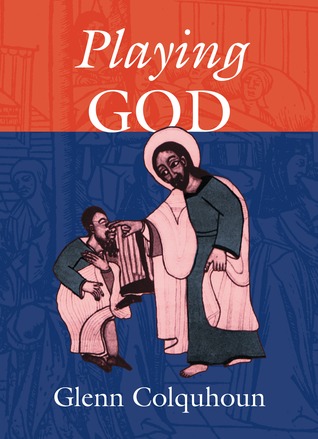
A lovely little poem with which to finish the year, from the New Zealand poet and GP Glenn Colquhoun, and with renewed thanks to Martin Fey, who, some moons ago now, first introduced me to Colquhoun’s work.

If you play God, play God at tennis.

A strict code of conduct is expected.
Clear lines must be drawn in the sand.
The ball will be either in or out.
At times there is talk of love.

If you play God, play God at chess.

All decisions must be black or white.
There are ways for him to be kept in check.
Bishops are available for consultation.
There is the possibility of mating.

If you play God, play God at cards.

There is clear opportunity for cheating.
You might deal from the bottom of the pack.
Aces can be hidden up your sleeve.
The joker should be specially marked.

If you play God, play God at darts.

He will dislike their resemblance to nails.
An acceptable target must be provided.
There is a fine line he will not be permitted
to cross. Cursing should never be allowed.

If you play God, play God at monopoly.

Everyone will be expected to take turns.
He must sit at a table like everyone else.
You might refuse him a room at your inn.
He is certain to be feeling overconfident.

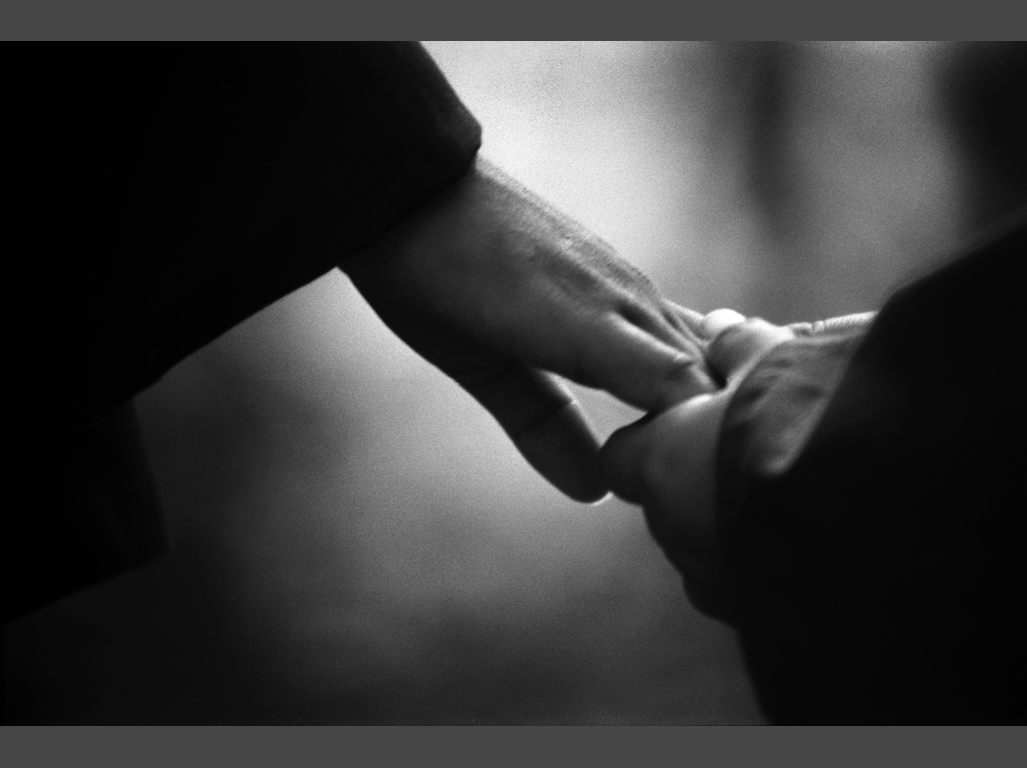
‘Father and Daughter’

holding-hands

It came to this, the panic at not being loved,
an overdose in the middle of the morning.
She slept for five days
strapped down in a hospital cot,
and when she woke to stew in her shame,
her father was by her bedside.
For a moment as long as a word of praise, neither spoke.
In that small silence, questions ripened.

She stood waiting for an ambulance
to take her to a psychiatric hospital.
She was dressed in a hospital robe and booties,
one size fits all, worn thin by other people’s fear.
The linoleum was as cold as the sea in winter.
She held a paper bag containing a toothbrush
and a copy of Tribune, which a cleaner had given her.
The air tasted bitter, of walnuts gone black in the shell.

– Kate Jennings, ‘Father and Daughter’, in Cats, Dogs and Pitchforks (Port Melbourne: Heinemann, 1993), 14.