Over at First Things, Peter Leithart reviews my edited volume ‘Tikkun Olam’—To Mend the World: A Confluence of Theology and the Arts.
Thanks to Alastair Roberts for drawing my attention to this; and thanks to Dr Leithart for the review.
Over at First Things, Peter Leithart reviews my edited volume ‘Tikkun Olam’—To Mend the World: A Confluence of Theology and the Arts.
Thanks to Alastair Roberts for drawing my attention to this; and thanks to Dr Leithart for the review.
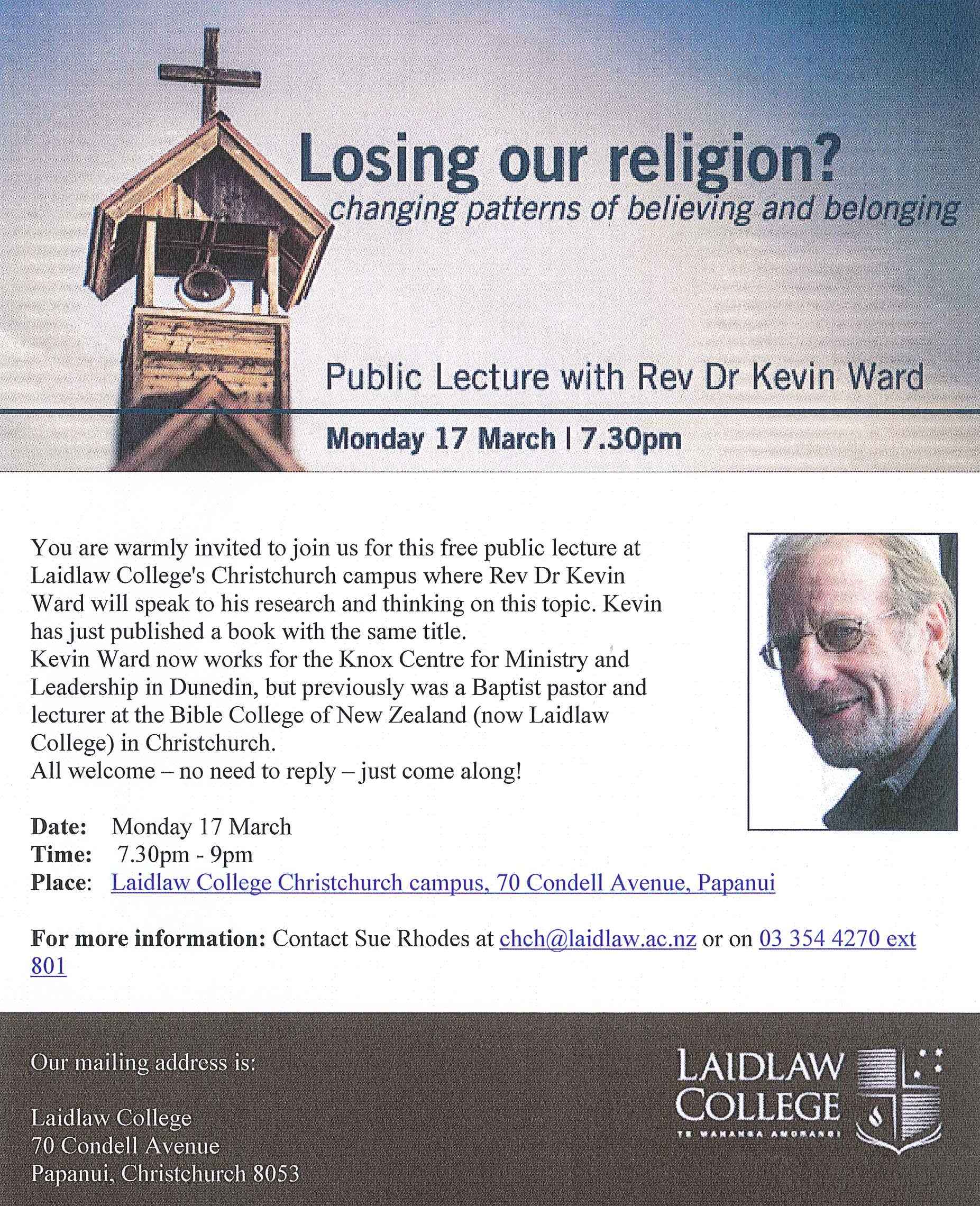
My colleague Kevin Ward is giving a pubic lecture next week on the subject of his recently-published book Losing Our Religion?: Changing Patterns of Believing and Belonging in Secular Western Societies. If you’re within a penalty kick of Christchurch you may want to meander along. Kevin knows his stuff.
 My antipodean readers, in particular, may be interested to listen to Phillip Adams’s interview with Jenny Carlyon and Diana Morrow, authors of Changing Times: New Zealand Since 1945, on the subject of changes in New Zealand’s social landscape. The blurb for the show reads:
Before WW2, New Zealand was among the most egalitarian nations on earth, but recent OECD stats suggest that its once narrow gap is widening so fast, it’s now ranked second from the bottom. But in contrast to its early years as a largely white, Anglo-centric culture, today 213 different ethnic groups call New Zealand home. This one hour special is a retrospective look at the vast cultural, political and demographic changes in New Zealand over the past 60 years.
You can listen to the interview here.
This is for my dear friend Susan. Others might enjoy it too.

[Source: The Age, 1 March 2014]
The Department of Divinity and Religious Studies at the University of Aberdeen, together with the Kirby Laing Institute for Christian Ethics, and the Royal Society of Edinburgh, are organising the following conferences:
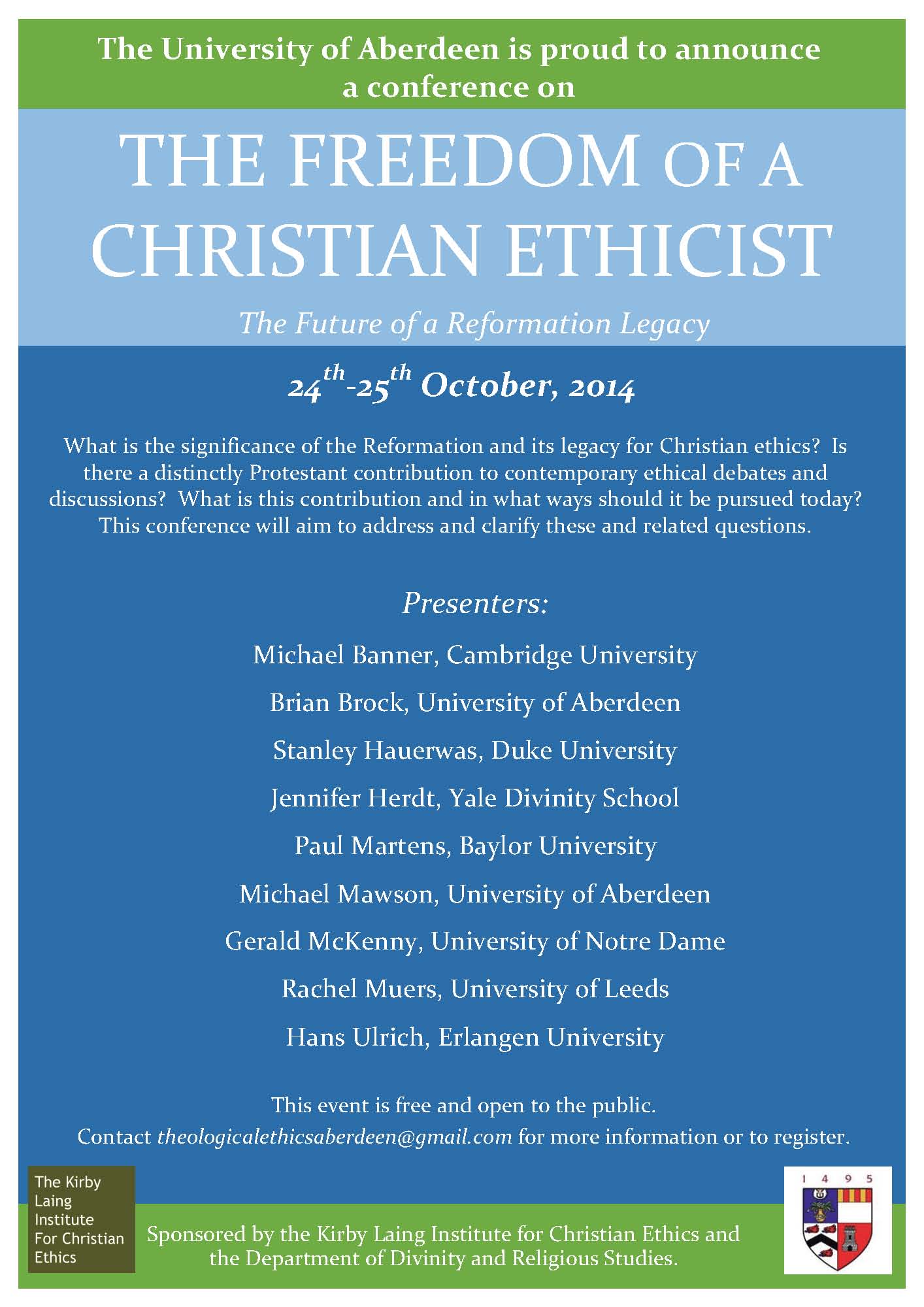
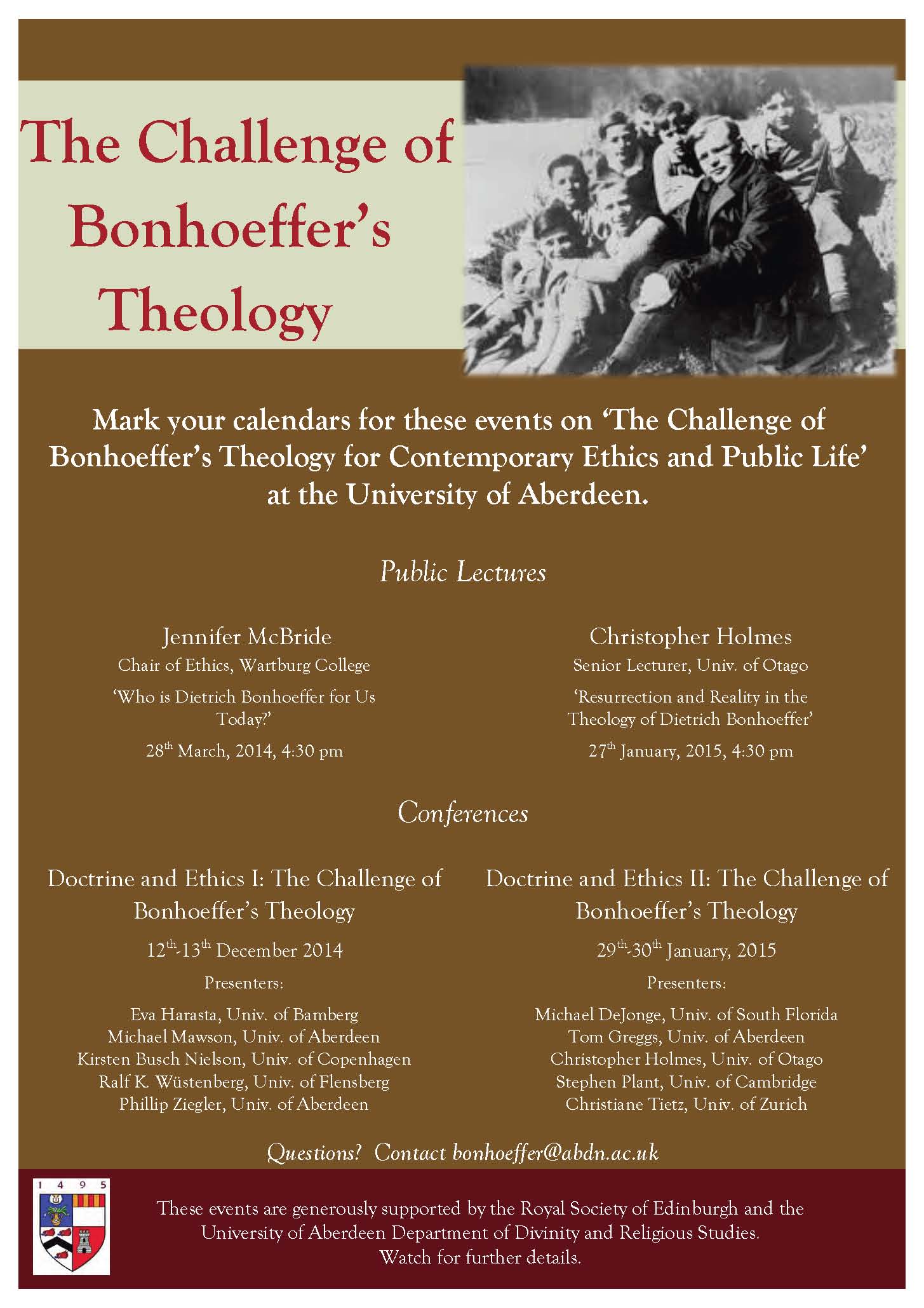
Note: If you are a fellow blogger and/or tweeter/G+er/facebooker, please consider helping to spread the word about these exciting events. Please feel free too to use the images (jpegs) that I have uploaded here.
It is a privilege to be invited, either by a publisher or an author, to pen a wee endorsement for a book that’s worth endorsing. (In those cases where one is invited to endorse a lemon, the feeling is very much a vexed otherwise, and one feels compelled to either decline the invitation or to employ one’s skills to write in code.) Recently, a number of such invitations have come my way, two titles regarding which I am pleased to see are now available, and which I was pleased to endorse without recourse to the game of codes. They are:
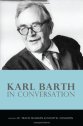 Karl Barth in Conversation. Edited by W. Travis McMaken & David W. Congdon (Pickwick Publications, 2014)
‘In this welcome collection of colorful and stimulating input from young scholars, we get to eavesdrop on some new “conversations” surveying a diverse range of themes, and in the wake of the fresh questions raised, we are invited to hear again what Barth and others have heard and misheard’.

Christopraxis: A Practical Theology of the Cross. By Andrew Root (Fortress Press, 2014)
‘This stimulating and challenging volume advances the claims that theology is grounded in the cruciform ministry of the Triune God and fashioned in the intersections of concrete human affairs, and that ministry is revelatory of God’s being-in-movement. Root’s dogmatic and pastoral instincts inform a renewed and much-welcomed intent to stay on a course recognizably determined by the life of God present and experienced in the world’.
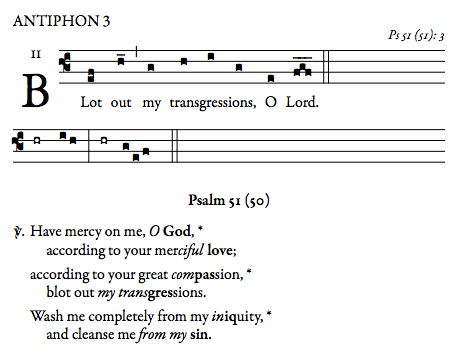
A few people have contacted me today to ask about liturgical resources for Ash Wednesday. I haven’t got time today to write anything fresh, but here’s a few that I posted a number of years ago.
Last night, the New Edinburgh Folk Club (aka the Dunedin Folk Club) hosted the great Jez Lowe for what was an absolutely fantastic gig. (Next week, we’ll host Andy Irvine.) Among the many wonderful songs performed was one that Jez penned in 2009 for the Darwin Song Project called ‘We’ll Hunt Him Down’, a song which imagines a band of conservative American preachers marching (or riding) across the US in a holy mission to rid the land of the Darwin scourge. Jez told of how he recently played the song in a US church, to a mixed response. I thought the song was very witty, and damn good fun, and so I wanted to share it here. So here’s a clip of the song’s first public performance at the 2009 Shrewsbury Folk Festival, performed by Jez Lowe, Chris Wood and Mark Erelli:
Across this noble country, this fair land of the free,
I’m searching for the man who stole my Lord away from me,
And God is riding with me, and half the town is too,
His name is Charlie Darwin and he must not talk to you.
We’ll hunt him down, we’ll hunt him down,
And every word he ever said we’ll grind into the ground,
We’ll hunt him down, we’ll hunt him down,
Charles Robert Darwin, you’re not welcome in this town.
At first we thought him crazy, so we just let him be,
Playing with worms and flies and little critters from the sea,
Then he started spreading rumours that you scarcely would believe,
That my ancestors were chimpanzees, not Adam and Eve.
We’ll hunt him down …
It’s hard to think about him without sinking to abuse,
They say that he’s an Englishman, but that’s still no excuse,
He’s robbed our schools and churches of the truth the bible tells,
So we’re out to stop his Godless ways and damn his words to hell.
We’ll hunt him down …
We’re holy and we’re righteous, and we know it to be true,
That it was on a Saturday morning that God made me and you,
He made us smart and clever, he even gave us tools,
Like guns and bombs and rifles, that shows you God’s no fool.
We’ll hunt him down …
 Laidlaw College in Auckland is seeking a Senior Lecturer in Mission Studies for its School of Theology, Mission & Ministry:
The Lecturer will be responsible for teaching in mission and contextual studies, ensuring that courses are developed and delivered in ways that are faithful to the Gospel of Christ, culturally incisive, and grounded in a biblical understanding of God’s missional purposes for Aotearoa New Zealand, the nations of the Pacific region, Asia and the world. They will also be actively involved in the College’s community and will lead the College’s Centre for Cross Cultural Mission (C3M).
The desired candidate will have the following skills and qualifications:
This position is a permanent full-time (1.0 FTE) position.
Please email your CV and cover letter to Natalie Tims, Human Resources Manager, at ntims@laidlaw.ac.nz to register your interest and request an application pack. Application packs include an application form related to your previous experience and theological principles, a Statement of Faith and a five-year Professional Development Research plan. Application packs must be submitted by Friday 2 May, 2014.
You can read the Job Description here.

Walter de Gruyter has launched ‘an international Open Access, peer-reviewed academic journal’ called Open Theology, and are seeking contributions. Details here.
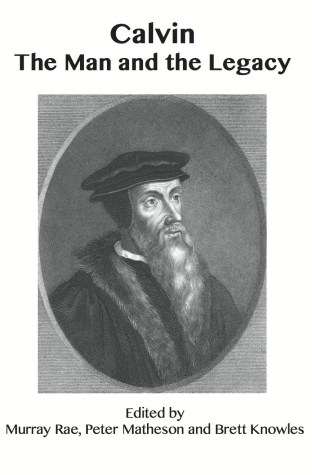
After over four years in the wings, it is indeed a delight to see that Calvin: The Man and the Legacy has finally hit the press. (One recalls Walter Benjamin’s words in Aesthetics and Politics―‘I came into the world under the sign of Saturn―the star of the slowest revolution, the planet of detours and delays’).
The book, which is edited by Murray Rae, Peter Matheson and Brett Knowles, consists mostly of papers delivered at a conference held at the Knox Centre for Ministry and Leadership in 2009, one of a plethora of conferences organised to mark the 500th anniversary of Calvin’s birth. It really was a great two days—marked by intelligent papers on a diverse range of themes, good humour, abundant attendance, a generosity of spirit, real coffee, and low testosterone, a combination of features relatively rare at these kinds of gigs.
The book’s description reads:
Alongside essays on aspects of Calvin’s theology, Calvin: The Man and the Legacy includes studies of Calvin as pastor, preacher and liturgist and traces the influence of Calvin as it was conveyed through Scottish migration to Australia and New Zealand. Fascinating stories are told of the ways in which the Calvinist tradition has contributed much to the building of colonial societies, but also of the ways it has attracted ridicule and derision and has been subject to caricature that is sometimes deserved, sometimes humorous, but often grossly misleading.
And the TOC reads:
Part 1: The Man and His Thought
1. Graham Redding—Medicine for Poor Sick Souls?: Calvin’s Communion Service in Profile
2. Jason Goroncy—John Calvin: Servant of the Word
3. Randall Zachman—The Grateful Humility of the Children of God: Knowledge of Ourselves in Calvin’s Theology
4. Elise McKee—A Week in the Life of John Calvin
5. Murray Rae—Calvin on the Authority of Scripture
6. Randall Zachman—Calvin’s Interpretation of Scripture
Part II: The Legacy and the Caricature
7. John Roxborogh—Thomas Chalmers and Scottish Calvinism in the Nineteenth Century
8. John Stenhouse—Calvin’s Own Country? Calvinists, anti-Calvinists and the Making of New Zealand Culture
9. Peter Matheson—The Reception of Calvin and Calvinism in New Zealand: a Preliminary Trawl
10. Alison Clarke—Popular Piety, the Sacraments and Calvinism in Colonial New Zealand
11. Kirstine Moffat—‘Mr Calvin and Mr Knox’: The Calvinist Legacy in the Fiction and Poetry of New Zealand Scots
12. Ian Breward—Calvin in Australia and New Zealand
You can pick up a copy here.
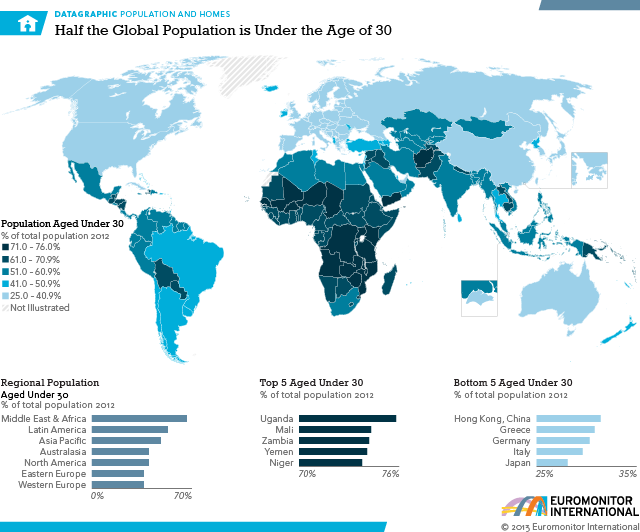
Some readers here at PCaL may be interested to know that the Dag Hammarskjöld Foundation and UNDP Nordic Office are running a two-hour seminar (which is to be live streamed on 7 March) on demographics, ageing and youth, subjects of vital importance for church, NGO, government and other community leaders. The blurb reads:
Today, half of the world’s population is under 25 years of age, while 11% of the world’s population is aged 60 and over. The share of young and elderly will rise significantly by 2030, when the world’s population is estimated to reach 8 billion. There are concerns about the capacities of societies to address the challenges of this demographic shift. The crucial question is therefore – how can we prepare for this demographic challenge? How can access to education, employment, health care and basic social protection be secured for the young and the elderly?
The UN Secretary General’s report emphasizes that the demographic shift requires a transformative change towards inclusive and sustainable development to facilitate for the needs of the young and the elderly. Despite this, some advocate that there is still a large risk that these groups are excluded from the new development agenda if they are not identified in specific goals or indicators. How do we make sure that the young and the elderly are subjects and actors, not objects, of the new development agenda that will be formulated?
The seminar is concerned to address questions like:
Further details about the seminar, including speakers and registration, can be found here.
[Image: source]
Sad times. They are sad times when a people’s highest interests are decided by methods characterised by the crude arbitrament of numbers, by methods which seek to silence those who would speak unwelcome words, and by methods which seek to render martyrdom inexplicable. In such times, I am exceedingly grateful for all those who shy not away from the madness. One such all-too-rare character is Michael Leunig, whose moral compass, hopeful outlook, ability to laugh at turkeys, and critical courage is exemplified in his recent cartoons published in The Age and the Sydney Morning Herald, newspapers to which Leunig is a regular contributor:
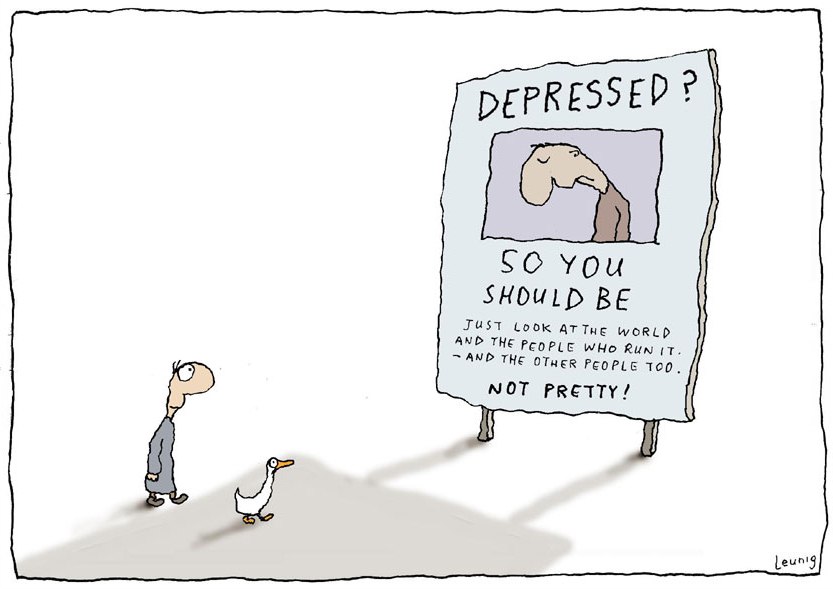
15 December, 2013

28 December, 2013
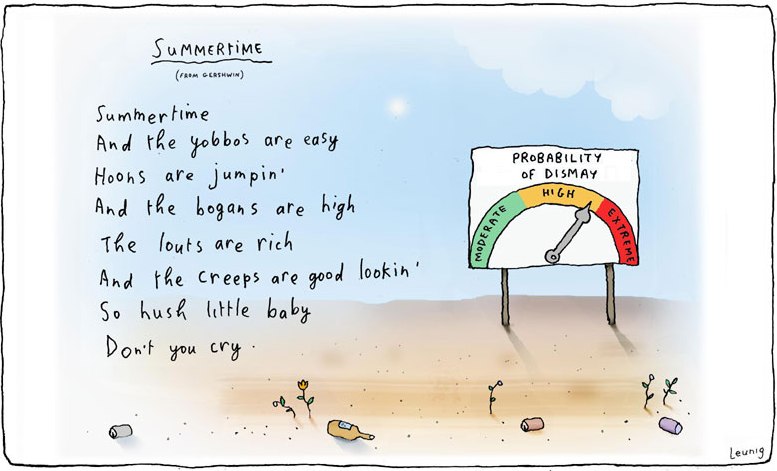
4 January, 2014
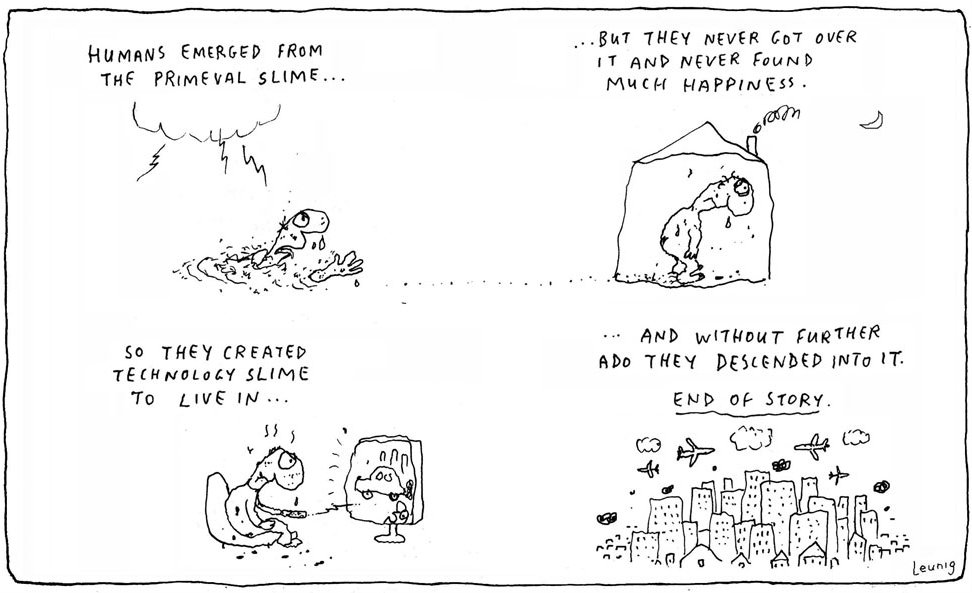
18 January, 2014
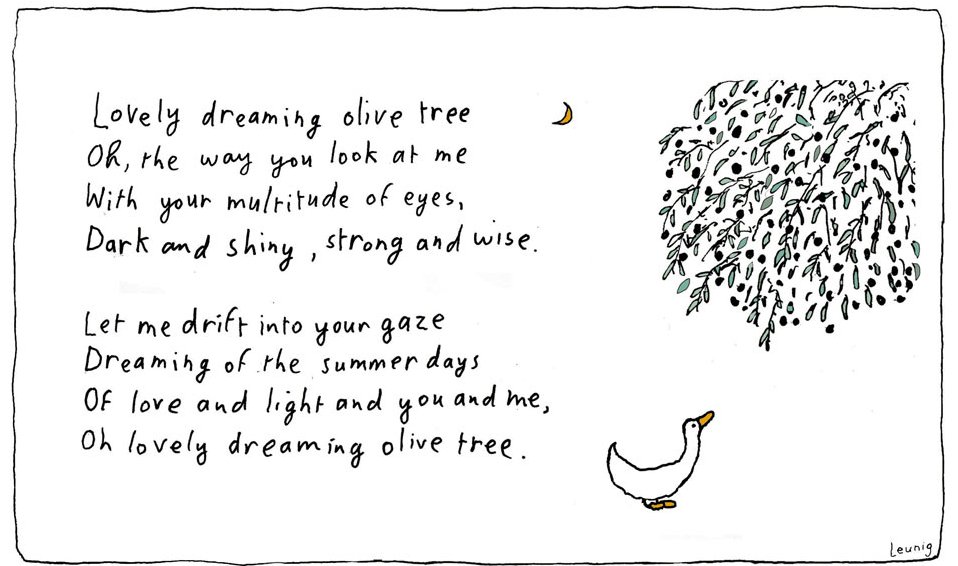
25 January, 2014
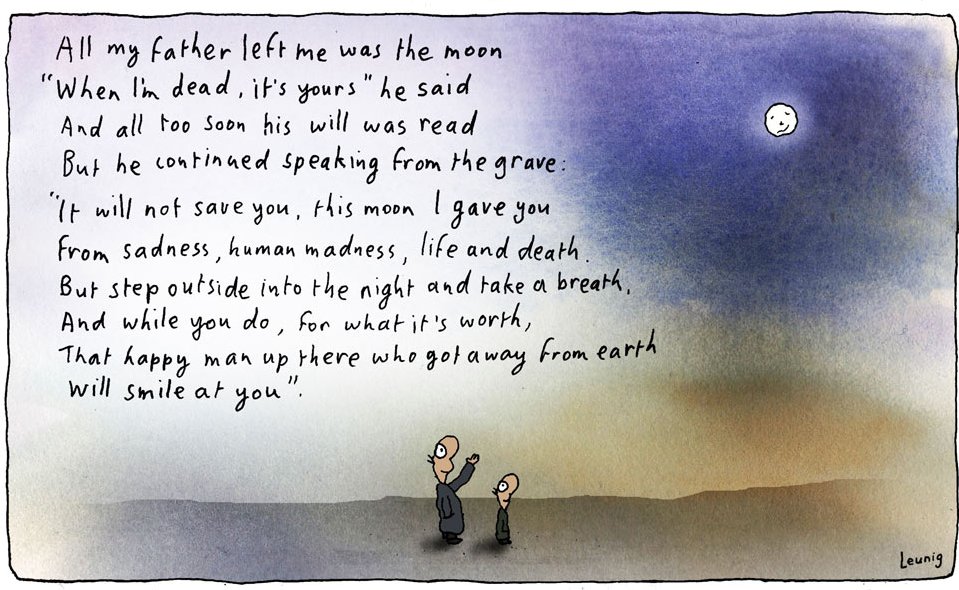
1 February, 2014
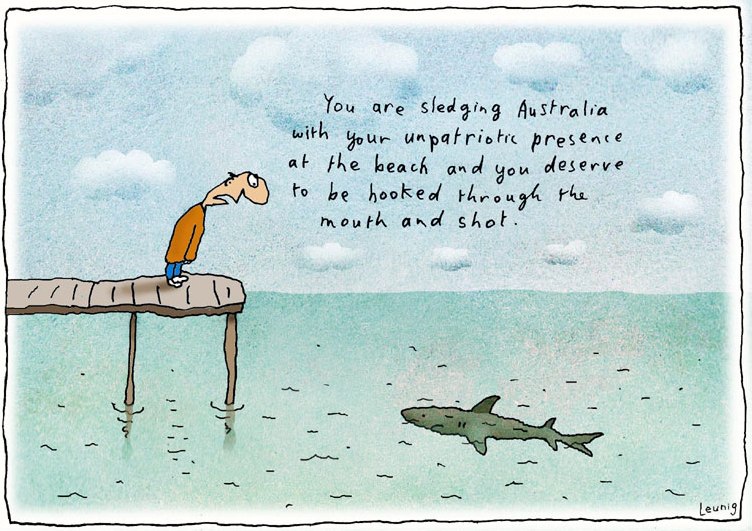
5 February, 2014

7 February, 2014
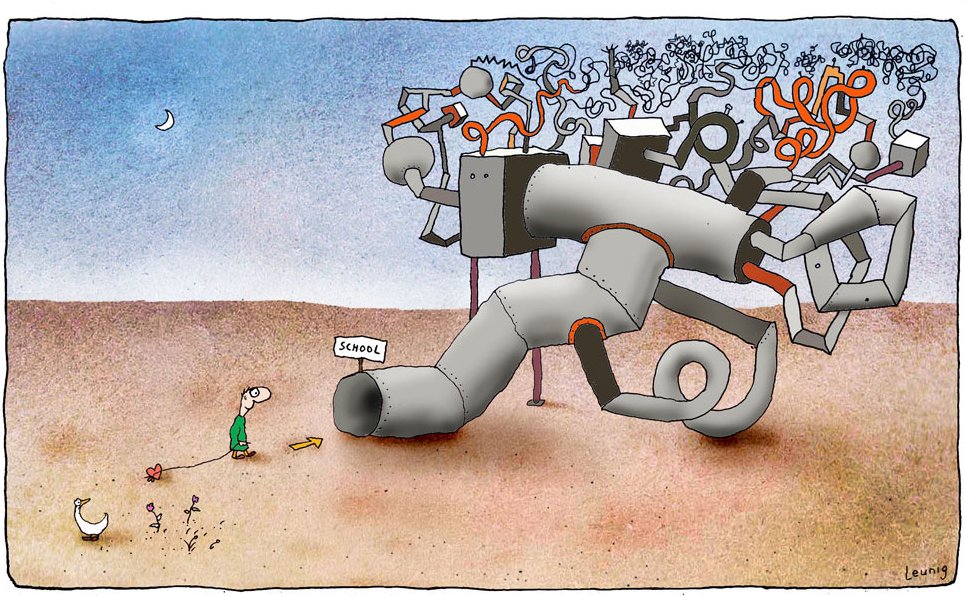
8 February, 2014

12 February, 2014
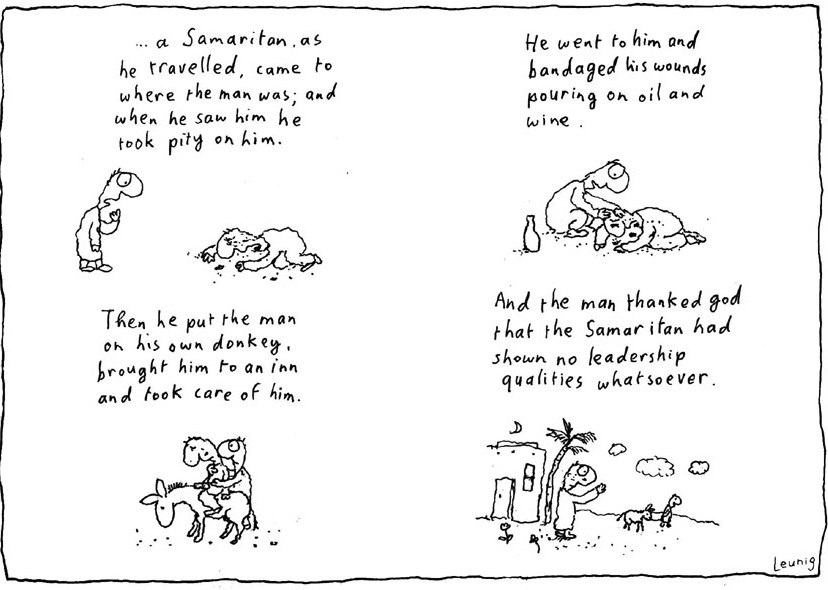
14 February, 2014
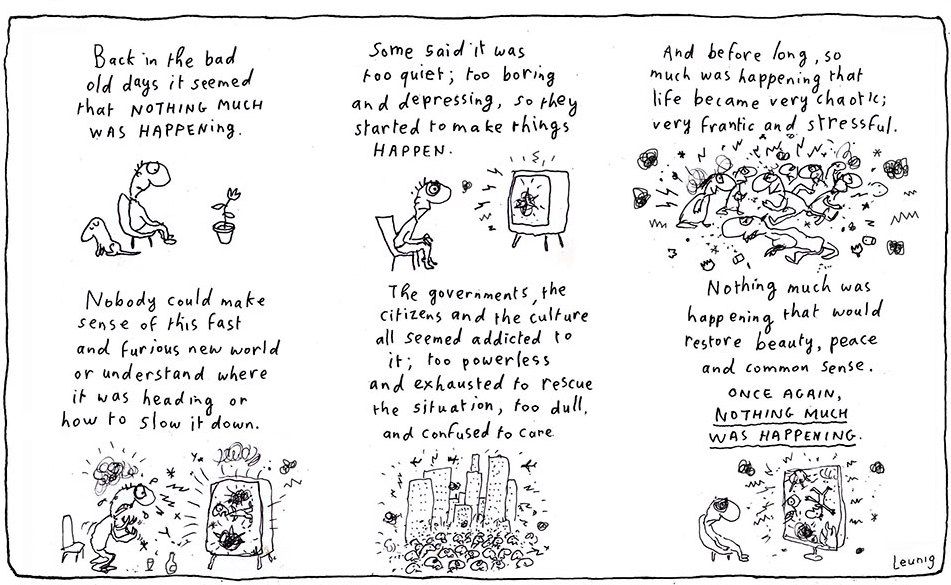
15 February, 2014
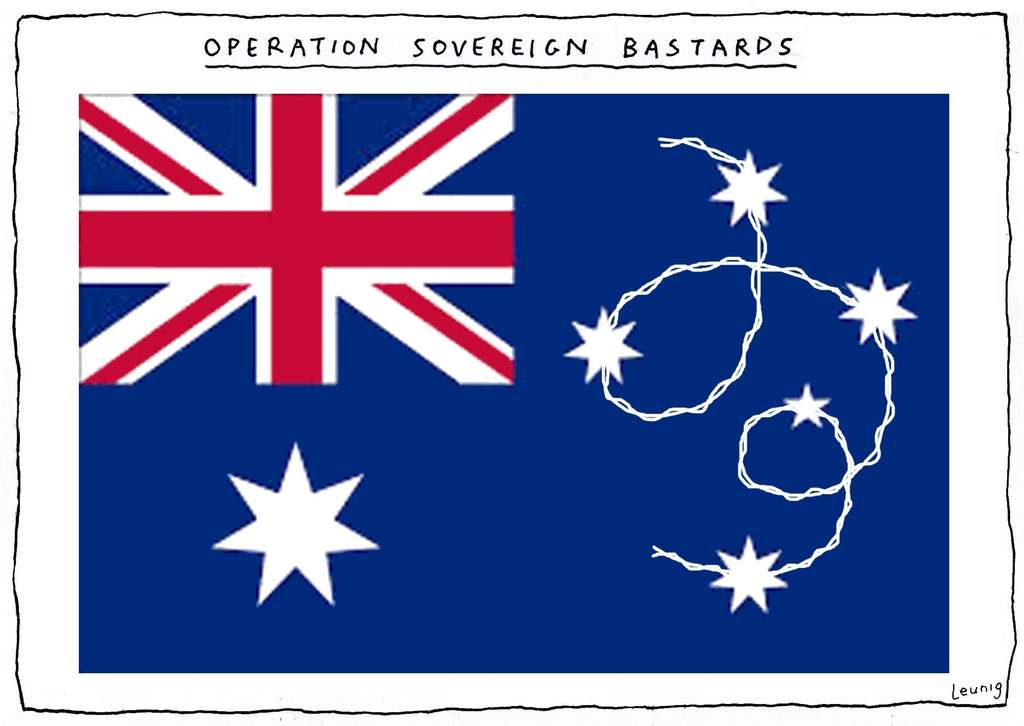 19 February, 2014
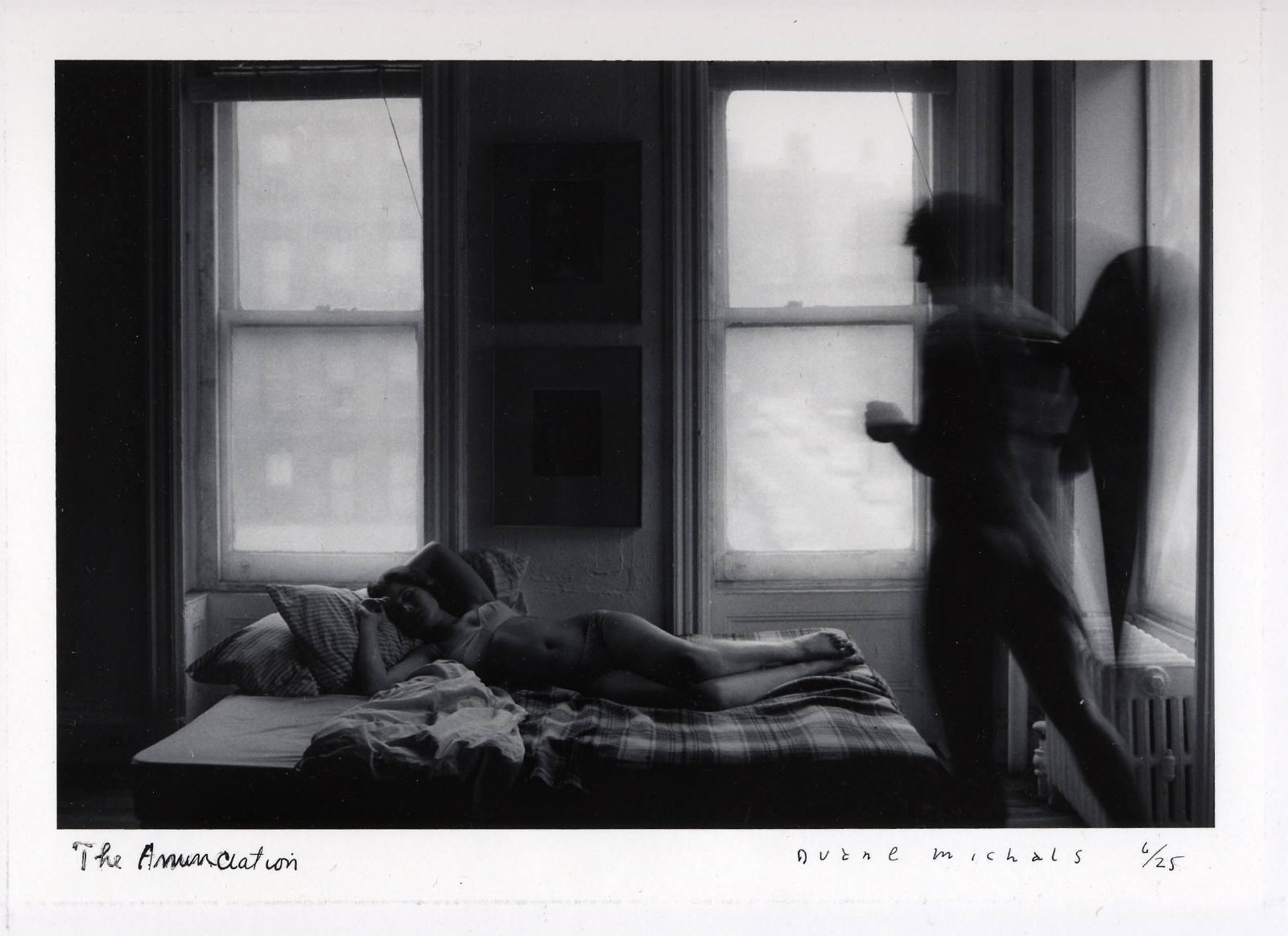
One afternoon, in a small window of time between when my students departed at the end of another two-week block course and my turning of attention to report writing, I spent a few moments reflecting on the mysterious relationship between what we ecclesiastical types call ‘call’ and the ancient (its origins were in the 5th century) Feast of the Annunciation – that much-downplayed event in the church’s calendar set to mark the archangel Gabriel’s announcement to Mary that she would conceive and become theotokos (God-bearer), and Mary’s fiat, her ready reception of this most inconceivable of happenings.
One thing that struck me was that this feast, which is observed on 25 March – a full term before the celebration of ‘the birth’ – coincides with Good Friday during those seasons when Holy Week happens in March. This not to be glossed over. For the real subject of the Feast is none other than he who was, at least according to one modern translation of the Bible, ‘slain from the creation of the world’ (Rev 13.8). The entirety of human history, in other words, has a distinct mark of the pietà about it, of the fragile God given into human hands. And there is something peculiarly cataclysmic too about 25 March: according to tradition, events as diverse as the creation of the earth, the creation of Adam, Lucifer’s fall, and the crossing of the Red Sea are all supposed to have happened on this date. And yet, none of these events are as significant to the church as the broadcast to a young girl that she is to bear in her womb the very one in whom, by whom and for whom all things exist. Her womb becomes the place where all life, all that will be, is born. Her womb is also the place where she will feel the pain of her son’s death at the hands of violent strangers, and the pain of lifelessness as he who once suckled on her warm breasts in now laid in a cold rock-hewn tomb belonging to some Sanhedrin member from Arimathea.
A further thing that struck me was the way in which this Feast trumpets Christian ministry’s most basic confession; namely, its impossibility – impossibility marked by the unrelenting command to witness to the sheer givenness of God’s unexpected and messy irruption among us and in us. That Christian ministry and theology, as Valdir Steuernagel has it, is ‘born in the guts, twisted by the shock of God’s visit’, and that ‘the cradle of theology is stupefaction, when we find ourselves absolutely lost and completely thankful for God’s visit’, is not the stuff of carefully manufactured and controlled environments. To offer one’s womb so that the life of another might be formed in us, to embrace waiting, to receive the burden of vocation along with others – others who, like cousin Elizabeth, help us to carry on – is to feel ‘pulled into God’s history’. And to be drowned in baptism (sometimes called ‘ordination’) is to discover oneself a character in the divine humour, the early gurglings of him who will have the last laugh. The Feast of the Annunciation is the church’s answer to those who refute that laughter, and the claim that vocations born of Yes’s like Mary’s are marked above all else by anything other than extreme ambiguity.
Most of my window, however, was spent reading and thinking with three poems on the annunciation – one by the Irish poet-priest John O’Donohue, one by the well-known English poet Elizabeth Jennings, and one by the great Welsh poet-priest R. S. Thomas – poems I wanted to share with readers here.
 Cast from afar before the stones were born
And rain had rinsed the darkness for colour,
The words have waited for the hunger in her
To become the silence where they could form.
The day’s last light frames her by the window,
A young woman with distance in her gaze,
She could never imagine the surprise
That is hovering over her life now.
The sentence awakens like a raven,
Fluttering and dark, opening her heart
To nest the voice that first whispered the earth
From dream into wind, stone, sky and ocean.
She offers to mother the shadow’s child;
Her untouched life becoming wild inside.
– John O’Donohue, ‘The Annunciation’, in Conamara Blues (London: Bantom Books, 2001), 61.
≈≈≈
 Nothing will ease the pain to come
Though now she sits in ecstasy
And lets it have its way with her.
The angel’s shadow in the room
Is lightly lifted as if he
Had never terrified her there.
The furniture again returns
To its old simple state. She can
Take comfort from the things she knows
Though in her heart new loving burns
Something she never gave to man
Or god before, and this god grows
Most like a man. She wonders how
To pray at all, what thanks to give
And whom to give them to. “Alone
To all men’s eyes I now must go”
She thinks, “And by myself must live
With a strange child that is my own.”
So from her ecstasy she moves
And turns to human things at last
(Announcing angels set aside).
It is a human child she loves
Though a god stirs beneath her breast
And great salvations grip her side.
– Elizabeth Jennings, ‘The Annunciation’, in Collected Poems (Manchester/New York: Carcanet Press, 1986), 45–46.
≈≈≈
 She came like a saint
to her bride-bed, hands
clasped, mind clenched
on a promise. ‘Some
fell by the wayside,’
she whispered. ‘Come, birds,
winnow the seed lest
standing beside a chaste
cradle with a star
over it, I see flesh
as snow fallen and think
myself mother of God.’
– R. S. Thomas, ‘Annunciation’, in Collected Later Poems, 1988–2000 (Highgreen: Bloodaxe, 2004), 194.
≈≈≈
[Image: Duane Michals, ‘The Annunciation, 6/25’. Gelatin Silver Print, 8 x 10 in. Source]
 In recent days, I’ve been lecturing on Christianity without God and the Nihilism of the Secular. We’ve mainly been looking at Mr Feuerbach and his children Karl (Marx), Sigmund (Freud), Don (Cupitt), Lloyd (Geering), Karen (Armstrong) and Alain (de Botton), as well as their much-abused and massively-misunderstood neighbours, especially Rudolf Bultmann and Paul Tillich. After I’d written my lectures – isn’t that so often the way these things go! – I came across a very helpful article by Tom Wright. ‘Doubts about Doubt: Honest to God Forty Years On’ (published in the Journal of Anglican Studies in 2005) is Wright’s insightful reading of John Robinson’s most controversial (and, in some ways, his least interesting) book Honest to God and the theo-cultural milieu which gave rise to it and which goes a significant way to explaining its popularity and ongoing incarnations. Wright’s concluding paragraph provides what I think is a tempting taster to the whole essay:
 Robinson had his finger on a real problem in postwar UK church life and, in a measure, theology. I believe the problem was mostly or largely caused not by the New Testament and historic Christianity itself, but by the way in which the post-Enlightenment world had assimilated and re-expressed the Christian faith. What Robinson referred to when speaking of supra- or supernaturalism belonged within an essentially deist or Epicurean framework, and he was struggling with the unwelcome consequences of people being unable to relate to their absentee landlord, and simultaneously puzzling over the fact that some people did not find this a problem. The huge popularity of his book shows that he struck a chord with a great many people. The tragedy of Honest to God, as I perceive it, is that Robinson did not see that what he was rejecting was a form of supernaturalism pressed upon Christianity by the Enlightenment; that he did not therefore go looking for help in finding other ways of holding together what the classic Christian tradition has claimed about God, the world, and Jesus; that in addressing these ontological questions he never laid out the parallel moral ones, or explored the ways in which, centrally, the Christian Scriptures and tradition address them; and that in consequence his high modernist construct now looks very shaky in the cold light of a postmodern dawn, as well as in the warmer light of the mainstream Christian alternative. The good news is that, precisely once the postmodern critique has done its work, we can see that there are other ways of retrieving the ancient Jewish and early Christian witness and faith – a daunting and difficult task, no doubt, but one still full of promise and possibility. In honouring John A.T. Robinson, we should perhaps evoke the famous saying of his seventeenth-century namesake: God has yet more light to break out of his holy word.
There is always, of course, much more that Wright could have said; he has a habit of stopping one or two stations short of the station with the best coffee (i.e., he’s theologically undercooked). But I found his article very helpful in framing some of the larger and social contexts of Robinson’s book. I’ve uploaded a copy of the article here.
 I. In Sydney, Australia. On 27–28 June, the United Theological College and Centre for Public and Contextual Theology are hosting After Crucifixion: A symposium on the theology of Craig Keen. The call for papers reads:
Central to Keen’s work is the belief that human reflection on the mystery of God is always embodied. In his latest book, After Crucifixion, Keen shows that theology is structured by a pattern of embodied reflection and embodied giving. The theologian hears and believes the good news, but does not receive this gift as a possession to be retained: “a gift that will not become property is there to be given. To follow Christ is with him perpetually to be emptied.”
The symposium will explore Craig Keen’s contribution to contemporary theology, and will offer scholarly engagement with his work; Craig Keen will also present a lecture and will respond to papers We invite papers engaging with Professor Keen’s work – particularly his latest publication, After Crucifixion (Cascade, 2013) – from a range of disciplines and perspectives. Paper proposals should be no more than 300 words and should be sent to Keen.Symposium@gmail.com by 28 February 2014.
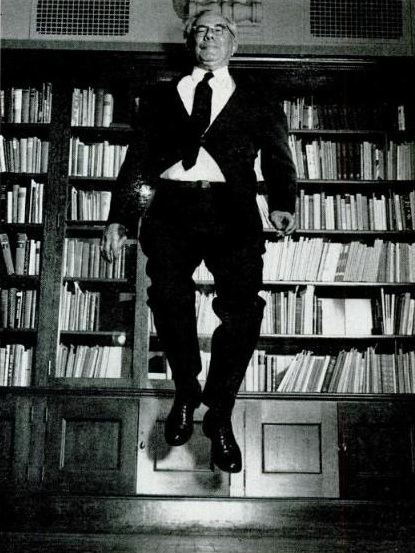 II. In Oxford, England. On 14–15 July, Ertegun House, St Benet’s Hall and the Oxford Centre for Theology and Modern European Thought are hosting Paul Tillich: Theology and Legacy. The blurb reads:
Paul Tillich features on anyone’s list of most significant and influential 20th Century theologians. In an age where it is tempting to retreat into intra-theological discussion or dismiss the secular world, Tillich’s vision for a theology which engages with culture and connects religious language with philosophical reflection continues to influence and provoke contemporary theological reflection.
This conference aims to stimulate and provide a platform for current work on Paul Tillich in anticipation of the commencement of the publication of the Collected Works in English from 2015, as well as providing space and time for scholars with an interest in Tillich’s work to meet, get to know each other, and discuss their work.
Keynote speakers include Reinhold Bernhardt, Marc Boss, Douglas Hedley, Anne-Marie Reijnen, and Christoph Schwöbel. There is also a call for papers engaging with Tillich’s thought. Abstracts of between 300–500 words should be emailed to samuel.shearn@theology.ox.ac.uk by Friday 14 February 2014, with a short biographical note.
 A quick note: the Kindle edition for my latest edited volume, Tikkun Olam – To Mend the World: A Confluence of Theology and the Arts, is now available from Amazon in the U.S., UK, Canada, Germany, France, Spain, Brazil, India, Japan, Italy, and Mexico.
Those in Australia can download a copy from here.
For those after a paper copy, the publishers, Wipf and Stock, are selling discounted copies for under US$21. Details here.
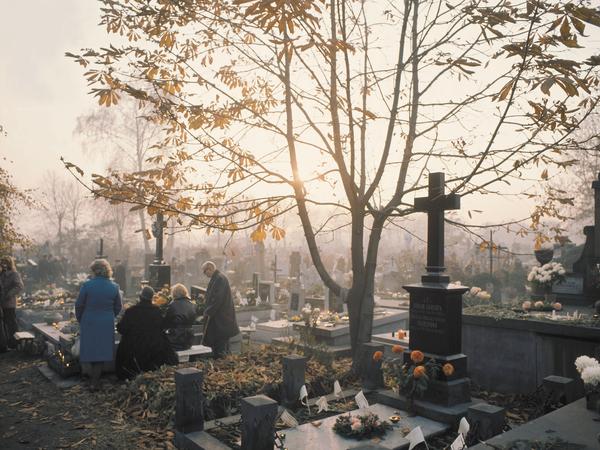
We’re going to need the minister
to help this heavy body into the ground.
But he won’t dig the hole;
others who are stronger and weaker will have to do that.
And he won’t wipe his nose and his eyes;
others who are weaker and stronger will have to do that.
And he won’t bake cakes or take care of the kids –
women’s work. Anyway,
what would they do at a time like this
if they didn’t do that?
No, we’ll get the minister to come
and take care of the words.
He doesn’t have to make them up,
he doesn’t have to say them well,
he doesn’t have to like them
so long as they agree to obey him.
We have to have the minister
so the words will know where to go.
Imagine them circling and circling
the confusing cemetery.
Imagine them roving the earth
without anywhere to rest.
– Anne Stevenson, ‘The Minister’, in The Collected Poems 1955–1995 (Oxford: Oxford University Press, 1996), 62.
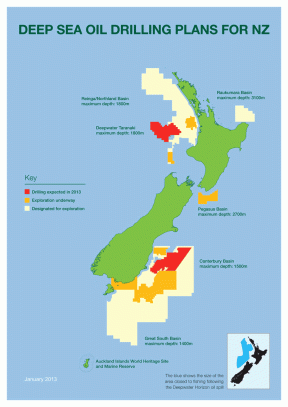
News that the Texan oil and gas exploration company Anadarko Petroleum Corporation is to undertake a test drilling program in the Canterbury Basin just off the Otago Peninsula is causing stir here in Dunedin among a good number of residents deeply concerned about the significant environmental and economic risks that such drilling poses to the region. Shell too have plans to explore the Great South Basin for additional oil and gas reserves.
Such highly-charged ventures rarely display politics in its most attractive, reasoned, transparent and democratic guise. One example of this occurred just a few weeks ago (on 10 January) when the intelligent and responsible folk who make up the St Martin Island Community were ordered, by the Otago Regional Council, to take down a ‘No Drill’ sign (erected in late October 2013) because, according to the ORC, the community were in breach of resource consent which states that ‘no advertising signage shall be erected on the jetty’. Now it’s not at all clear to me, or to the SMIC, just how such a sign is an example of ‘advertising’. (It is difficult to imagine such an order being issued for a sign encouraging the All Blacks to thrash their opponents at a game at the ORC’s beloved stadium (once described, in what sounds like a joke, as ‘pivotal to Dunedin and Otago’s future’; similar rhetoric was being used to sell the drilling program: ‘A key to Dunedin’s future prosperity could lie buried beneath the seabed just 60km off the coast’, we are told), or a sign welcoming cash-carrying Chinese tourists to Dunedin, or a sign championing the importance of brushing one’s teeth without the use of rat poisons, for example. And yet a ‘No Drill’ sign appears to me to be of much the same order.)
At the most recent meeting of the SMIC Council, it was decided that an appeal of the ORC’s decision would be made to the Environment Court asking for a stay on the grounds that the ‘No Drill’ sign is not advertising but ‘a prudent safety message’. Such an appeal has since been lodged and we now await the court’s decision, hoping that common sense and the rule of law (these are not always at odds!) will prevail over all other interests. Certainly any democracy that seeks to legislate against legitimate (i.e., non-violent) forms of protest has failed tragically to understand its own virtue.

‘So Magnus Erlendson, when he came up from the shore that Easter Monday, towards noon, to the stone in the centre of the island, saw against the sun eleven men and a boy and a man with an axe in his hand who was weeping … Then in the light of the new day, 16 April 1117, there was a blinding flash of metal in the sun’. – George Mackay Brown
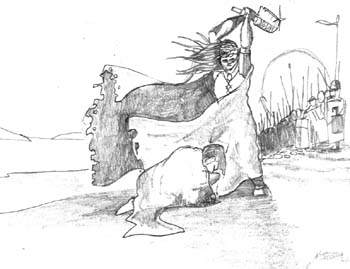 ‘The Orkney Isles, off the northern coast of Scotland, were ruled by the Viking king of Norway in the 13th century, and Magnus was the rightful heir to the Earldom of the archipelago. He was a bit of an odd one. Once he’d joined the King on a raiding party, but he’d stayed back on the ship and sung psalms. He’d refused to fight. It would be something of a theme in his short life. The King wasn’t sure about a ruler who wouldn’t fight, and so he also recognised the claim to the Earldom by Magnus’ cousin, and the two ruled jointly for some years. It worked pretty well, until some of their followers felt things would be better if their respective Earl had the job to himself. Things started to shape up for war. It seemed inevitable. Inevitable, that is, until Magnus insisted that he and his cousin try and talk their way to a peaceful solution. He suggested that they meet on a deserted island where the only building was an ancient stone chapel. They agreed to meet, each bringing only two ships of men, enough for protection but not enough for serious aggression. Magnus arrived the night before with his two ships. He spent the night in prayer.
In the light of the dawn, however, he saw his cousin’s treachery. Eight ships were entering the harbour. Too many for peace. Too many for truce. Not too many for war.
What would Magnus do? He could run, flee and gather his supporters on the mainland and fight this out. Or he could appeal to the King of Norway to deal with his scoundrel cousin. Instead, he turned quietly and went back into the small stone chapel to pray, as if the chapel were his Garden of Gethsemane. The war party surrounded the chapel and demanded Magnus surrender himself. He did, once the cousin had agreed to leave his men unharmed. The gathered chiefs demanded that the Earl’s duel in order to bring an end to the division that threatened to tear the islands apart. But the cousin wasn’t willing to give up his advantage, and Magnus refused to fight, so the cousin decided to execute Magnus. Magnus tried to talk his cousin out of this course of action so as to save his cousin’s soul. Lest we think that Magnus was acting out of self preservation, however, his alternative suggestion was that he be mercilessly tortured and disfigured, left alive but ruined, so as to protect his cousin from committing murder. But the cousin wanted no rival, however broken. He ordered his finest warrior to kill Magnus. The warrior refused. In fact, none of the cousin’s soldiers would meet his eyes or his demands. Finally, under the threat of death, the cousin’s poor cook, weeping and pleading for Magnus’ forgiveness was chosen for the task. Magnus spoke quietly and calmly to him, telling him the sin was not his, that Magnus held nothing against him, that he should do what he must do, and think no more of it.
So he did, and Magnus was killed. And there was peace, for there was no one left for the cousin to fight. But there was also grief, such grief among the people that Magnus’ body was shortly recovered and buried with honour. A church was built to mark the place and his death, the cross of Magnus became their flag, and the sacrifice of Magnus their pride and their shame.
Could this be what faith looks like, when the beloved ones of God love peace more than themselves, that even the wicked moments of human cruelty might, in the mysterious grace of God, be made to tell the story of love which covers all and conquers all?’
These (lightly edited) words, and the wonderful song that follows, were penned and recorded recently by my dear friend Malcolm Gordon. Those, like myself, who consider themselves fans of the work of George Mackay Brown, from whose pen many of us first heard of Magnus, will enjoy this:
 The northern miles
Hold the Orkney Isles
Lands of windswept vale.
And from this place
Comes a tale of grace
Of love amidst betrayal.
Magnus ruled
With his brother too
And peace shone out like dawn.
But rumours spread
That blood would be shed
As battle lines were drawn.
Before we fight
Let’s see if we might
Find ways to live together.
We’ll each bring two boats
See if peace might float
Even in this stormy weather.
For he went to war
But he would not fight
Yet peace he won undying,
For his hands were tied
But his heart on fire
Saint Magnus Earl of Orkney Isles.
Eight ships appeared
And the trick he feared
This truce became betrayal.
Would he run away?
No, he stayed to pray
To find the strength to fail.
‘One chief we’ll have’,
The brother said,
‘And that chief will be me’.
But he could not find
Someone of his kind
To kill this saint to-be.
For he went to war
But he would not fight
Yet peace he won undying,
For his hands were tied
But his heart on fire
Saint Magnus Earl of Orkney Isles.
No soldier would
And the brother stood
Alone with death’s desire.
But he found his one
And the sin was done
For fear of him, a murder.
But Magnus swore
This sin is not yours
Your tears will count for something,
So do this deed
And find God’s peace
I’ll hold against you nothing.
For he went to war
But he would not fight
Yet peace he won undying,
For his hands were tied
But his heart on fire
Saint Magnus Earl of Orkney Isles.
The blow fell sharp
And the saint fell hard
Truce was bought with his blood.
The people wept
But this peace they kept
They kept the peace of Magnus;
Yes, they kept the peace of Magnus.
For he went to war
But he would not fight
Yet peace he won undying,
For his hands were tied
But his heart on fire
Saint Magnus Earl of Orkney Isles.
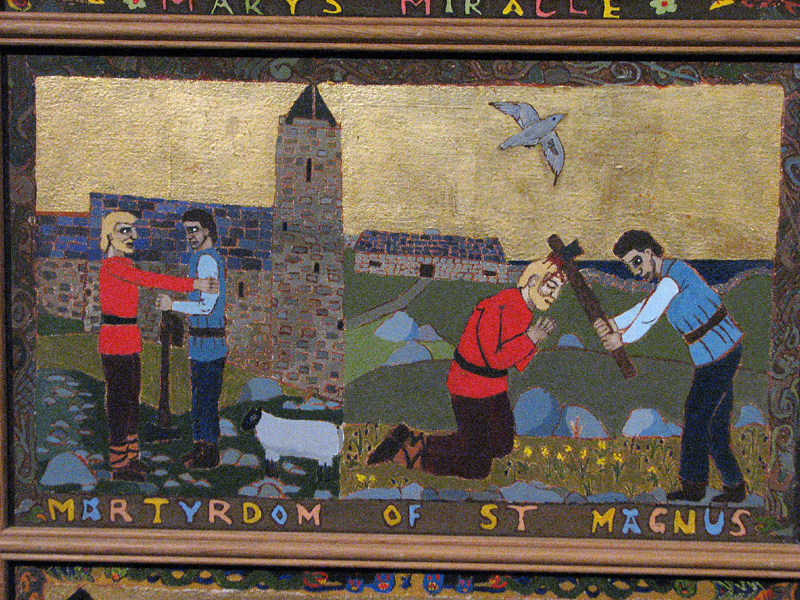
[Image: Scotiana.com]
 jasongoroncy.com