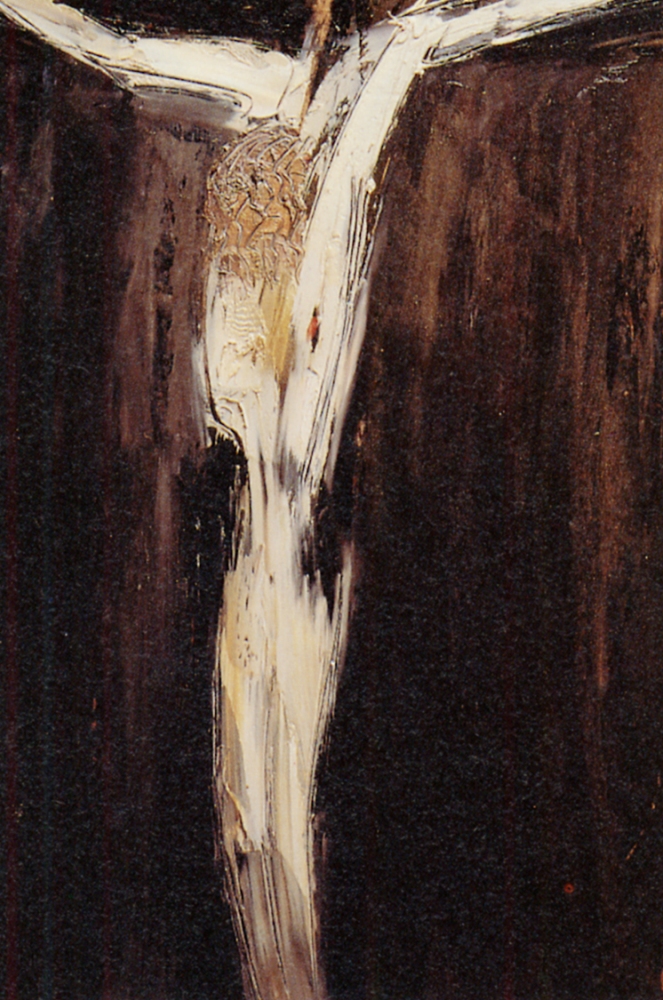
 Happy Christmas to all readers of Per Crucem ad Lucem. Here’s PT Forsyth singing his constant song, and reminding us again of why today the Church might sing Joy to the World, and of the ‘wonders of [God’s] love’ :
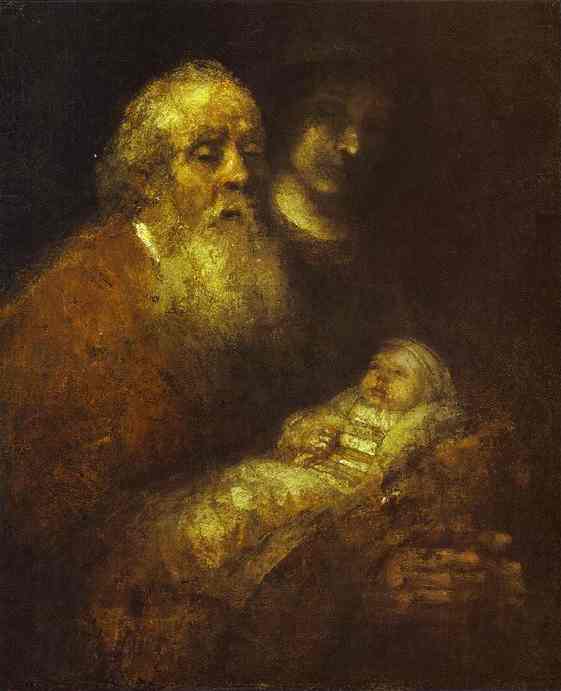
‘Without [the] cross and its Atonement we come to a religion of much point but no atmosphere, much sympathy and no imagination, much kindness and no greatness, much charm and no force—a religion for the well-disposed and not for the rebel, in which we love our neighbour, but not our enemy, and not our Judge; a religion for the sensitive, but not for the world. When the world-cross goes out of the centre of religion, religion in due time goes out of the centre of man’s moral and public energy. The public then goes past the preacher because he is not strong enough to arrest and compel them. He has too much to say and too little to tell. He hangs to his age by its weakness, and not by its strength. He does not reach its soul with such gospel as he has. The pathos of Christ takes the place of his power. We canonise the weak things of our Christian world in our haste for rapid success with the many. Religion becomes too aesthetic, too exclusively sympathetic, too bland, too naturalistic. Our very Christmas becomes the festival of babyhood, Good Friday the worship of grief, and Easter of spring and renewal instead of regeneration. To use the old theological language, under an obsession of culture and its pensive delicacies we become dominated by the passive obedience of Christ instead of His active. We treat the cross as a passion only, instead of a principle, or as a moral principle instead of a decisive deed. Christ becomes a pathetic, tender, helpful and gracious figure rather than a mighty … But the great dividing issue for the soul is neither the Bethlehem cradle nor the empty grave, nor the Bible, nor the social question. For the Church at least (however it be with individuals) it is the question of a redeeming atonement. It is here that the evangelical issue lies. It is here, and not upon the nativity, that we part company with the Unitarians. It is here that the unsure may test their crypto-unitarianism. I would unchurch none. I would but clear the issue for the honest conscience. It is this that determines whether a man is Unitarian or Evangelical, and it is this that should guide his conscience as to his ecclesiastical associations. Only if he hold that in the atoning cross of Christ the world was redeemed by holy God once for all, that there, and only there, sin was judged and broken, that there and only there the race was reconciled and has its access to the face and grace of God—only then has he the genius and the plerophory of the Gospel. If he hold to Christ as this head, then, whatever views he may hold on other heads, he is of the Gospel company and the Evangelical pale. Only thus has he a real final message for the age. Only thus is he more than one that has a lovely voice and can play well on an instrument for the ages’ pleasure and its final neglect’.
– PT Forsyth, The Cruciality of the Cross (London: Hodder & Stoughton, 1910), 27, 73–4.
 jasongoroncy.com